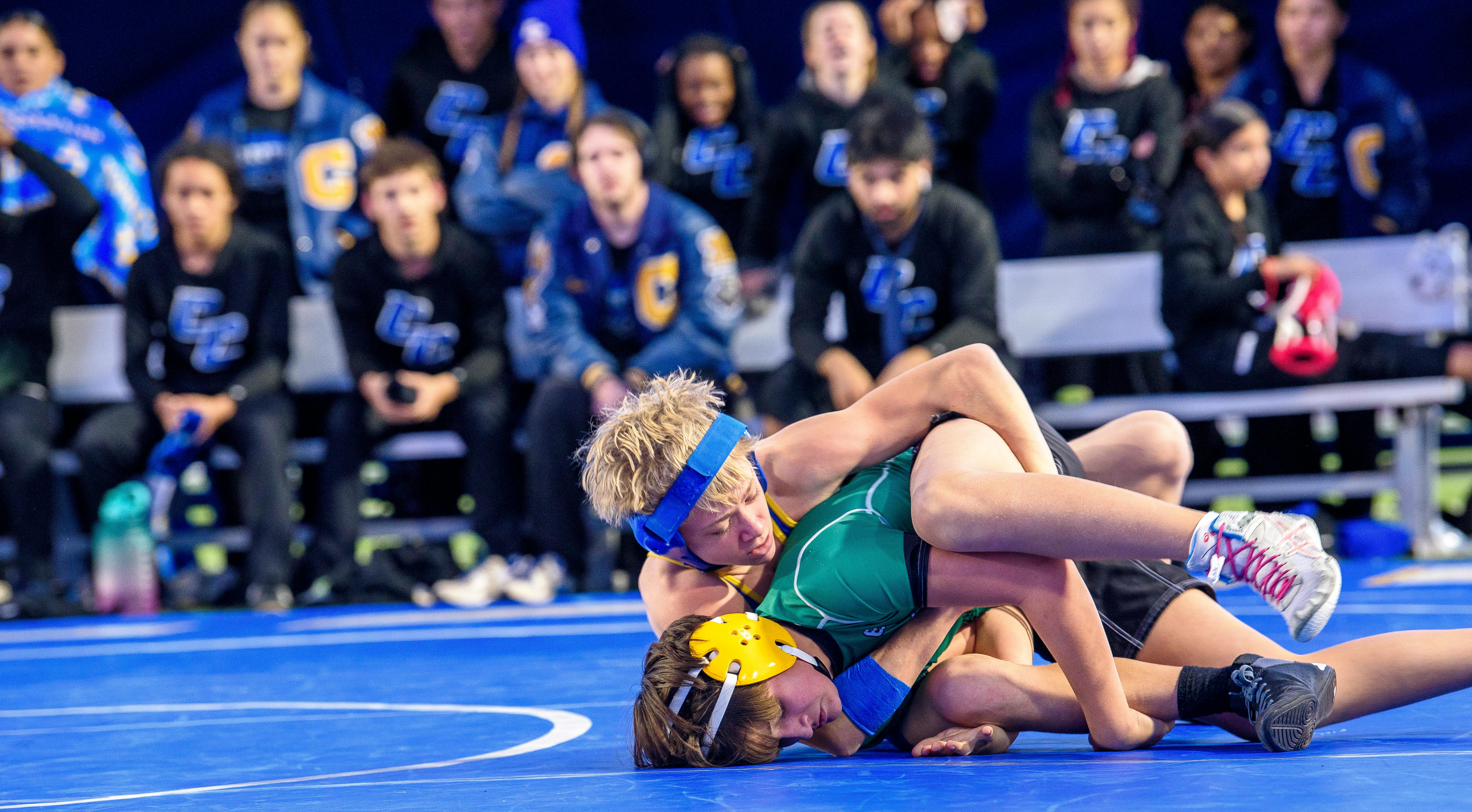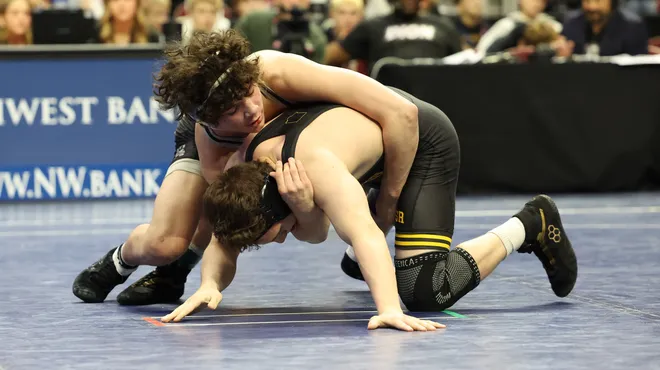
Most parents assume wrestling scholarships flow evenly across weight classes.
They don’t.
A 141-pound recruit faces completely different scholarship odds than a 285.
Why? Because scholarship allocation in wrestling is driven by weight-class depth, graduation cycles, team needs, and the national talent supply, not equal distribution.
This guide breaks down where scholarship money actually goes, how weight class changes opportunity, and the exact steps families should take to target programs that need their athlete’s specific weight right now.
Section 1: Wrestling Scholarship Math (Quick Reality Check)
1.1 Equivalency Limits by Division
Wrestling is an equivalency sport at the NCAA level.
This means coaches divide a finite scholarship pool across their entire roster.
Division | Scholarships Available | Typical Split Across Roster |
|---|---|---|
D1 | 9.9 total | 25–30 athletes on partials |
D2 | 9.0 total | 20–25 athletes on partials |
D3 | 0 athletic | Academic merit dominates |
NAIA | Up to 8 (varies) | Flexible stacking |
📝 Key Truth:
Most wrestlers receive partial scholarships, not full rides. Academic money is critical.
1.2 Roster Reality
A typical D1 roster includes 30–35 wrestlers:
10 starters
Redshirts
Development athletes
Practice squad depth
Coaches must fund balance across all weights, not just one superstar.
NCAA Scholarship Rules Explained
Section 2: Why Weight Class = Scholarship Probability
2.1 Supply & Demand Rule Everything
Not all weight classes have the same national talent supply.
Deepest pools: 141, 149, 157
→ More athletes, more competitionShallowest pools: 197, 285, sometimes 125
→ Less supply, stronger leverage for scholarships
Other factors that vary by weight:
Graduation turnover
Injury rates
International recruitment pipelines (upperweights often benefit from FS/Greco imports)
2.2 Dual-Meet Strategy Drives Coach Spending
Every weight scores the same in duals, so coaches allocate money to maintain balance, not overspend on just one class.
Section 3: Scholarship Density by Weight Class (Where the Money Is)
Scholarship Density Table (Men’s)
Weight | Scholarship Density | Turnover Rate | Competition Level | Typical Partial % | Notes |
|---|---|---|---|---|---|
125 | Medium–High | Medium | Medium | 30–60% | Scramble ability; walk-on to partial paths common |
133 | Medium | Slow | High | 25–50% | Deep national talent; international FS pipeline |
141 | Low | Fast | Very High | 20–40% | Most competitive weight class nationally |
149 | Low | Fast | Very High | 20–40% | Over-recruited; academic stacking essential |
157 | Low–Medium | Fast | High | 25–45% | Pipeline saturation; many state champs |
165 | Medium | Medium | High | 30–50% | Two-weight flexibility (165/174) valued |
174 | Medium | Medium | Medium | 35–55% | Balanced opportunities |
184 | Medium–High | Slow | Medium | 40–60% | More scholarship rotation |
197 | High | Slow | Low–Medium | 50–75% | Shallow national pool = strong leverage |
285 | High | Slow | Low | 50–80% | Rare elite talent; physical maturity key |
3.2 Summary Deep Dives
141/149 “Hellscape”
Deepest pools → lowest scholarship density → highest need for academics197/285 “Hidden Goldmines”
Shallow national supply → higher partial percentagesWomen’s Wrestling (NCWWC/NAIA)
Rapid talent growth → more balanced funding across weights
Women’s Wrestling Scholarship Density Table (NCWWC + NAIA)
Women’s Wrestling Scholarship Density (2025–26)
Women’s wrestling is governed primarily by NCWWC (NCAA Emerging Sport) and the NAIA, both of which treat wrestling as an equivalency sport.
NCWWC (NCAA Emerging Sport): Up to 10 equivalency scholarships
NAIA: Up to 8 equivalency scholarships (varies by institution)
NCAA D3: No athletic aid; merit stacking dominates
Here is the weight-class–specific table mirroring the style of your men’s version:
Weight Class | Scholarship Density | National Depth | Turnover Rate | Typical Partial % | Notes |
|---|---|---|---|---|---|
101 | Medium | Medium | Medium–High | 20–40% | Many freshmen enter at this weight; strong development pipeline |
109 | Medium | Medium | Medium | 20–40% | Good balance of recruits; common transition weight |
116 | Low–Medium | High | Medium | 15–35% | One of the deepest women’s weights nationally |
123 | Low | Very High | Medium | 15–30% | Most competitive weight class; recruiting saturation |
130 | Medium | High | Medium | 20–40% | Balanced opportunities; many multi-style athletes |
136 | Medium–High | Medium | Medium–Low | 25–45% | More scholarship rotation; strong demand at many programs |
143 | High | Low–Medium | Slow | 30–50% | Emerging as a priority recruiting weight at several schools |
155 | High | Low | Slow | 35–60% | Shallow national pool → strong leverage for scholarships |
170 | High | Low | Slow | 35–60% | Coaches often struggle to find experienced upperweights |
191 | Very High | Very Low | Very Slow | 40–70% | One of the best scholarship opportunities due to limited supply |
Key Insights for Parents
123 is the “crowded” weight, similar to men’s 141/149.
Upperweights (155–191) are scholarship goldmines because the talent pool is far smaller.
101 and 109 have high freshman turnover due to physical maturation.
NCWWC and NAIA coaches heavily reward versatility. Athletes who can wrestle two adjacent weights have a real advantage.
Section 4: Redshirt Patterns by Weight Class
Men’s Wrestling Redshirt Patterns by Weight Class (D1/D2/NAIA)
Redshirt strategy in men’s wrestling is influenced by:
physical development
depth-chart spacing
lineup maturity
injury prevention
transition from high school to college pace
While every program is different, the following table reflects nationally consistent patterns across well-established men’s programs.
Most parents assume wrestling scholarships flow evenly across weight classes.
They don’t.
A 141-pound recruit faces completely different scholarship odds than a 285.
Why? Because scholarship allocation in wrestling is driven by weight-class depth, graduation cycles, team needs, and the national talent supply, not equal distribution.
This guide breaks down where scholarship money actually goes, how weight class changes opportunity, and the exact steps families should take to target programs that need their athlete’s specific weight right now.
Section 1: Wrestling Scholarship Math (Quick Reality Check)
1.1 Equivalency Limits by Division
Wrestling is an equivalency sport at the NCAA level.
This means coaches divide a finite scholarship pool across their entire roster.
Division | Scholarships Available | Typical Split Across Roster |
|---|---|---|
D1 | 9.9 total | 25–30 athletes on partials |
D2 | 9.0 total | 20–25 athletes on partials |
D3 | 0 athletic | Academic merit dominates |
NAIA | Up to 8 (varies) | Flexible stacking |
📝 Key Truth:
Most wrestlers receive partial scholarships, not full rides. Academic money is critical.
1.2 Roster Reality
A typical D1 roster includes 30–35 wrestlers:
10 starters
Redshirts
Development athletes
Practice squad depth
Coaches must fund balance across all weights, not just one superstar.
NCAA Scholarship Rules Explained
Section 2: Why Weight Class = Scholarship Probability
2.1 Supply & Demand Rule Everything
Not all weight classes have the same national talent supply.
Deepest pools: 141, 149, 157
→ More athletes, more competitionShallowest pools: 197, 285, sometimes 125
→ Less supply, stronger leverage for scholarships
Other factors that vary by weight:
Graduation turnover
Injury rates
International recruitment pipelines (upperweights often benefit from FS/Greco imports)
2.2 Dual-Meet Strategy Drives Coach Spending
Every weight scores the same in duals, so coaches allocate money to maintain balance, not overspend on just one class.
Section 3: Scholarship Density by Weight Class (Where the Money Is)
Scholarship Density Table (Men’s)
Weight | Scholarship Density | Turnover Rate | Competition Level | Typical Partial % | Notes |
|---|---|---|---|---|---|
125 | Medium–High | Medium | Medium | 30–60% | Scramble ability; walk-on to partial paths common |
133 | Medium | Slow | High | 25–50% | Deep national talent; international FS pipeline |
141 | Low | Fast | Very High | 20–40% | Most competitive weight class nationally |
149 | Low | Fast | Very High | 20–40% | Over-recruited; academic stacking essential |
157 | Low–Medium | Fast | High | 25–45% | Pipeline saturation; many state champs |
165 | Medium | Medium | High | 30–50% | Two-weight flexibility (165/174) valued |
174 | Medium | Medium | Medium | 35–55% | Balanced opportunities |
184 | Medium–High | Slow | Medium | 40–60% | More scholarship rotation |
197 | High | Slow | Low–Medium | 50–75% | Shallow national pool = strong leverage |
285 | High | Slow | Low | 50–80% | Rare elite talent; physical maturity key |
3.2 Summary Deep Dives
141/149 “Hellscape”
Deepest pools → lowest scholarship density → highest need for academics197/285 “Hidden Goldmines”
Shallow national supply → higher partial percentagesWomen’s Wrestling (NCWWC/NAIA)
Rapid talent growth → more balanced funding across weights
Women’s Wrestling Scholarship Density Table (NCWWC + NAIA)
Women’s Wrestling Scholarship Density (2025–26)
Women’s wrestling is governed primarily by NCWWC (NCAA Emerging Sport) and the NAIA, both of which treat wrestling as an equivalency sport.
NCWWC (NCAA Emerging Sport): Up to 10 equivalency scholarships
NAIA: Up to 8 equivalency scholarships (varies by institution)
NCAA D3: No athletic aid; merit stacking dominates
Here is the weight-class–specific table mirroring the style of your men’s version:
Weight Class | Scholarship Density | National Depth | Turnover Rate | Typical Partial % | Notes |
|---|---|---|---|---|---|
101 | Medium | Medium | Medium–High | 20–40% | Many freshmen enter at this weight; strong development pipeline |
109 | Medium | Medium | Medium | 20–40% | Good balance of recruits; common transition weight |
116 | Low–Medium | High | Medium | 15–35% | One of the deepest women’s weights nationally |
123 | Low | Very High | Medium | 15–30% | Most competitive weight class; recruiting saturation |
130 | Medium | High | Medium | 20–40% | Balanced opportunities; many multi-style athletes |
136 | Medium–High | Medium | Medium–Low | 25–45% | More scholarship rotation; strong demand at many programs |
143 | High | Low–Medium | Slow | 30–50% | Emerging as a priority recruiting weight at several schools |
155 | High | Low | Slow | 35–60% | Shallow national pool → strong leverage for scholarships |
170 | High | Low | Slow | 35–60% | Coaches often struggle to find experienced upperweights |
191 | Very High | Very Low | Very Slow | 40–70% | One of the best scholarship opportunities due to limited supply |
Key Insights for Parents
123 is the “crowded” weight, similar to men’s 141/149.
Upperweights (155–191) are scholarship goldmines because the talent pool is far smaller.
101 and 109 have high freshman turnover due to physical maturation.
NCWWC and NAIA coaches heavily reward versatility. Athletes who can wrestle two adjacent weights have a real advantage.
Section 4: Redshirt Patterns by Weight Class
Men’s Wrestling Redshirt Patterns by Weight Class (D1/D2/NAIA)
Redshirt strategy in men’s wrestling is influenced by:
physical development
depth-chart spacing
lineup maturity
injury prevention
transition from high school to college pace
While every program is different, the following table reflects nationally consistent patterns across well-established men’s programs.
Men’s Redshirt Frequency Table
Weight Group | Redshirt Frequency | Why It Happens |
|---|---|---|
125–141 | Medium | Lightweight athletes often redshirt to adjust to college strength demands, improve durability, and refine scramble-heavy styles. |
149–165 | High | Deepest national talent pool; redshirts help space out lineup competition, develop mat IQ, and avoid two top recruits competing for the same slot. |
174–184 | Medium–High | Physical development + tactical growth; many recruits aren’t fully matured at these weights coming out of high school. |
197–285 | Very High | Upperweights typically need an extra year to develop strength, hand fighting, and top pressure; many programs expect 197 and 285 recruits to redshirt. |
Key Insights for Parents
🟦 Upperweights redshirt the most
Because strength development and physical maturity matter more at 197 and 285 than almost any other weights.
🟦 Middleweights (149–165) redshirt strategically
These are the most crowded weights nationally, so coaches often redshirt freshmen to avoid immediate lineup battles and build future depth.
🟦 Lightweights (125–141) redshirt for durability
They usually adapt quickly technically but need time to handle the physicality and injury risk of college duals.
🟦 Redshirts directly impact scholarship timing
Coaches may fund certain weights later (e.g., 197/285) because they expect recruits to redshirt and enter the lineup 1–2 years after arrival.
Weight Group | Redshirt Frequency | Why |
|---|---|---|
125–141 | Medium | Weight management + injury risk |
149–165 | High | Development & lineup timing |
184–285 | Very High | Physical maturation needed |
🎯 Insight:
Redshirts create scholarship timing gaps.
For example, many 197s and 285s redshirt, so coaches often fund upperweight recruits later (junior/senior year).
Women’s Wrestling Redshirt Patterns by Weight Class (NCWWC + NAIA)
Women’s wrestling is newer at most colleges, which means redshirt strategy is driven by:
athlete physical development
roster-building needs
program depth
incoming class size
injuries and transition from freestyle/folkstyle
Because the sport is growing rapidly, redshirt frequency can vary, but the following table reflects the general national trend across established women’s programs.
Women’s Redshirt Frequency Table
Weight Group | Redshirt Frequency | Why It Happens |
|---|---|---|
101–109 | Medium–High | Many freshmen enter undersized; programs use redshirts to develop strength, adapt to college training volume, and ease the transition from high school freestyle. |
116–123 | Medium | Deepest talent pool; coaches often redshirt athletes to create lineup spacing or avoid two top recruits bottlenecking the same weight. |
130–136 | Medium | Strongly recruited weights; redshirts used for technical development or to create future roster flexibility. |
143 | High | Programs often lack immediate depth; redshirts help develop strength and mat control before entering a competitive lineup. |
155 | High | Physical development + lower athlete supply → more time needed to prepare for college upperweight demands. |
170–191 | Very High | One of the smallest national talent pools; athletes typically mature later physically, and coaches commonly redshirt to develop strength, hand fighting, and mat control. |
Key Insights for Parents
🟣 Upperweights redshirt more often than any other group
Due to physical maturation, strength development, and a smaller national pool.
🟣 Lightweights redshirt for a different reason
They often enter college undersized and need the strength-building year.
🟣 Middleweights (116–136) redshirt strategically
Coaches use redshirts to avoid lineup bottlenecks and ensure strong future depth.
🟣 Redshirt ≠ lack of opportunity
For many women’s weights, especially upperweights, redshirting improves scholarship and lineup chances over time.
Section 5: What Coaches Evaluate on Film (By Weight)
Lightweights (125–141)
Mat speed
Scramble ability
Neutral attacks
Defense vs re-attacks
Middleweights (149–165)
Positional control
Chain wrestling
Gas tank
Tactical mat IQ
Upperweights (184–285)
Hand fighting
Mat control
Top pressure
Power + defense
🟩 Versatility Bonus:
Athletes who can wrestle two adjacent weights (133/141, 165/174, 197/285) receive more scholarship consideration.
Section 6: Academic Stacking (Wrestling’s Secret Weapon)
Wrestling scholarships are partial. Academic money fills the gap.
6.1 Why Grades Matter More in Wrestling Than Most Sports
Typical real-world packages:
20–50% athletic
30–60% academic merit
Additional need-based or institutional aid
Example:
A 3.7 GPA wrestler receiving a 40% athletic award often ends up paying 25% or less after stacking merit awards.
How to Stack Scholarships in 2026: Athletic, Academic & Need-Based Aid for Recruits
Section 7: Reading Rosters Like a Coach
7.1 Parent Checklist
When evaluating a program:
How many wrestlers at your athlete’s weight?
Class breakdown (freshman–senior)?
Who’s graduating soon?
Recent transfers?
Is the roster top-heavy or bottom-heavy?
Are there international recruits in upperweights?
Has your athlete’s weight historically been weak or deep at this program?
7.2 Weight-Specific Questions for Coaches
Lightweights: “How do you evaluate scramble vs positional style?”
Middleweights: “Do you prefer versatile wrestlers who can float up or down?”
Heavyweights: “When do 285s typically break into the lineup here?”
Section 8: Building a Target School List (Weight-Savvy Version)
8.1 Match Your Weight to Each Program’s Needs
The process:
Identify programs with roster “holes” at your weight
Compare scholarship rotation cycles
Time your outreach to the program’s recruiting window
Build a 3–5–3 list:
3 reach schools
5 match schools
3 safety schools
Men’s Redshirt Frequency Table
Weight Group | Redshirt Frequency | Why It Happens |
|---|---|---|
125–141 | Medium | Lightweight athletes often redshirt to adjust to college strength demands, improve durability, and refine scramble-heavy styles. |
149–165 | High | Deepest national talent pool; redshirts help space out lineup competition, develop mat IQ, and avoid two top recruits competing for the same slot. |
174–184 | Medium–High | Physical development + tactical growth; many recruits aren’t fully matured at these weights coming out of high school. |
197–285 | Very High | Upperweights typically need an extra year to develop strength, hand fighting, and top pressure; many programs expect 197 and 285 recruits to redshirt. |
Key Insights for Parents
🟦 Upperweights redshirt the most
Because strength development and physical maturity matter more at 197 and 285 than almost any other weights.
🟦 Middleweights (149–165) redshirt strategically
These are the most crowded weights nationally, so coaches often redshirt freshmen to avoid immediate lineup battles and build future depth.
🟦 Lightweights (125–141) redshirt for durability
They usually adapt quickly technically but need time to handle the physicality and injury risk of college duals.
🟦 Redshirts directly impact scholarship timing
Coaches may fund certain weights later (e.g., 197/285) because they expect recruits to redshirt and enter the lineup 1–2 years after arrival.
Weight Group | Redshirt Frequency | Why |
|---|---|---|
125–141 | Medium | Weight management + injury risk |
149–165 | High | Development & lineup timing |
184–285 | Very High | Physical maturation needed |
🎯 Insight:
Redshirts create scholarship timing gaps.
For example, many 197s and 285s redshirt, so coaches often fund upperweight recruits later (junior/senior year).
Women’s Wrestling Redshirt Patterns by Weight Class (NCWWC + NAIA)
Women’s wrestling is newer at most colleges, which means redshirt strategy is driven by:
athlete physical development
roster-building needs
program depth
incoming class size
injuries and transition from freestyle/folkstyle
Because the sport is growing rapidly, redshirt frequency can vary, but the following table reflects the general national trend across established women’s programs.
Women’s Redshirt Frequency Table
Weight Group | Redshirt Frequency | Why It Happens |
|---|---|---|
101–109 | Medium–High | Many freshmen enter undersized; programs use redshirts to develop strength, adapt to college training volume, and ease the transition from high school freestyle. |
116–123 | Medium | Deepest talent pool; coaches often redshirt athletes to create lineup spacing or avoid two top recruits bottlenecking the same weight. |
130–136 | Medium | Strongly recruited weights; redshirts used for technical development or to create future roster flexibility. |
143 | High | Programs often lack immediate depth; redshirts help develop strength and mat control before entering a competitive lineup. |
155 | High | Physical development + lower athlete supply → more time needed to prepare for college upperweight demands. |
170–191 | Very High | One of the smallest national talent pools; athletes typically mature later physically, and coaches commonly redshirt to develop strength, hand fighting, and mat control. |
Key Insights for Parents
🟣 Upperweights redshirt more often than any other group
Due to physical maturation, strength development, and a smaller national pool.
🟣 Lightweights redshirt for a different reason
They often enter college undersized and need the strength-building year.
🟣 Middleweights (116–136) redshirt strategically
Coaches use redshirts to avoid lineup bottlenecks and ensure strong future depth.
🟣 Redshirt ≠ lack of opportunity
For many women’s weights, especially upperweights, redshirting improves scholarship and lineup chances over time.
Section 5: What Coaches Evaluate on Film (By Weight)
Lightweights (125–141)
Mat speed
Scramble ability
Neutral attacks
Defense vs re-attacks
Middleweights (149–165)
Positional control
Chain wrestling
Gas tank
Tactical mat IQ
Upperweights (184–285)
Hand fighting
Mat control
Top pressure
Power + defense
🟩 Versatility Bonus:
Athletes who can wrestle two adjacent weights (133/141, 165/174, 197/285) receive more scholarship consideration.
Section 6: Academic Stacking (Wrestling’s Secret Weapon)
Wrestling scholarships are partial. Academic money fills the gap.
6.1 Why Grades Matter More in Wrestling Than Most Sports
Typical real-world packages:
20–50% athletic
30–60% academic merit
Additional need-based or institutional aid
Example:
A 3.7 GPA wrestler receiving a 40% athletic award often ends up paying 25% or less after stacking merit awards.
How to Stack Scholarships in 2026: Athletic, Academic & Need-Based Aid for Recruits
Section 7: Reading Rosters Like a Coach
7.1 Parent Checklist
When evaluating a program:
How many wrestlers at your athlete’s weight?
Class breakdown (freshman–senior)?
Who’s graduating soon?
Recent transfers?
Is the roster top-heavy or bottom-heavy?
Are there international recruits in upperweights?
Has your athlete’s weight historically been weak or deep at this program?
7.2 Weight-Specific Questions for Coaches
Lightweights: “How do you evaluate scramble vs positional style?”
Middleweights: “Do you prefer versatile wrestlers who can float up or down?”
Heavyweights: “When do 285s typically break into the lineup here?”
Section 8: Building a Target School List (Weight-Savvy Version)
8.1 Match Your Weight to Each Program’s Needs
The process:
Identify programs with roster “holes” at your weight
Compare scholarship rotation cycles
Time your outreach to the program’s recruiting window
Build a 3–5–3 list:
3 reach schools
5 match schools
3 safety schools
8.2 Example
A 141 recruit facing heavy national competition might target:
D2 teams weak at 141/149
NAIA programs recruiting for immediate starters
D1 programs lacking depth in that class after graduation
Section 9: Wrestling Parent Pitfalls (Avoid These)
❌ “Cutting weight improves scholarship chances.”
→ It damages performance and recruiting reputation.
❌ “All weights get equal opportunity.”
→ False: 141 vs 285 are different markets.
❌ “Grades don’t matter.”
→ Academic merit often covers 50%+ of total cost.
❌ “Walk-ons never earn scholarships.”
→ Incorrect, common at 125 and 285, especially at fully funded programs.
Section 10: FAQ (Using Actual Search Queries)
Do certain wrestling weight classes get more scholarships?
Yes. Some weights have a much deeper national talent pool, which reduces scholarship leverage.
Men: Most competitive = 141/149; Highest scholarship leverage = 197/285
Women: Most competitive = 123; Highest leverage = 155/170/191
Are 285-pound wrestlers more likely to get scholarships?
Generally, yes.
285 is one of the shallowest talent pools in U.S. wrestling, meaning fewer recruits are available and coaches must fund the ones they want.
Most 285 recruits receive larger partials than middleweights, and many programs recruit this weight later, giving seniors more opportunity.
Do women’s wrestling scholarships work the same as men’s?
Mostly.
Both are equivalency sports, meaning coaches divide a scholarship pool across the roster.
Differences:
Women’s wrestling is governed by NCWWC (NCAA Emerging Sport), not the standard D1/D2 caps.
Upperweights (155–191) have significantly higher leverage because the national pool is smaller.
Women’s programs often use academic stacking more aggressively.
Can walk-ons earn scholarships in wrestling?
Absolutely.
It’s common at weights with depth issues, especially:
Men: 125 and 285
Women: 143, 155, 170, 191
Walk-ons can earn money once they establish lineup value or when a starter graduates/enters the portal.
How much of a wrestling scholarship is typical?
Most packages are 20–50% athletic money, then stacked with academic and need-based aid.
Full rides exist, but they’re extremely rare outside top-10 programs and upperweight shortages.
Is cutting weight a good strategy for scholarships?
No.
Coaches prioritize performance, health, consistency, and lineup fit, not being artificially small for a weight.
Excess cutting harms stamina and recruiting credibility.
When do wrestling coaches typically offer scholarships?
Varies by weight class:
Men 141/149/157: Early (sophomore–junior year)
Men 197/285: Later (junior–senior year)
Women upperweights (155–191): Often senior-year offers
Women light/middle: Mostly junior-year cycle
Do grades matter for wrestling scholarships?
Yes. More than most sports.
Wrestling relies heavily on:
Academic merit
Institutional aid
Leadership awards
Stackable grants
A strong GPA can reduce total cost by 30–60% even when athletic money is modest.
Can moving up or down a weight improve scholarship chances?
Sometimes.
If your athlete is stuck in a crowded weight (e.g., men’s 141 or women’s 123), moving to an adjacent weight class can open opportunities, but only if the performance stays consistent.
How can I tell if a school needs my wrestler’s weight?
Look at:
Roster depth by weight
Graduation cycles
Recent transfers
Whether the coach is recruiting that class in the last year
How many athletes are redshirting at your weight
Whether the program has historically rotated scholarships through your class
Section 11: Don’t Miss Your Weight-Class Window
If you’ve read this far, you already understand more about wrestling scholarships than most families ever will, but this is the point where good intentions start costing people real money.
Because the truth is simple:
Scholarship opportunities don’t just vary by athlete… they vary by weight class, by roster cycle, and by timing.
Miss the window, and it doesn’t matter how talented your wrestler is.
And this is exactly why the Wrestling Scholarship Playbook exists.
It shows you, step-by-step, the exact things families overlook:
How to evaluate scholarship chances by weight class
How to read a roster the way coaches do
What to say (and when) to actually get on a coach’s board
How to build a school list that fits your wrestler’s weight + timeline
How to stack academic money so a partial becomes affordable
How to compare offers the right way, apples to apples
What separates athletes who rise on a depth chart from those who vanish
None of it is complicated.
All of it is essential.
And most families only realize they skipped steps after the offers go to someone else.
If you don’t want that to be your family, get the Wrestling Scholarship Playbook before the recruiting window for your wrestler’s weight class closes.
You don’t need a recruiting service.
You don’t need guesswork.
You just need the right steps in the right order, and that’s exactly what the playbook gives you.
8.2 Example
A 141 recruit facing heavy national competition might target:
D2 teams weak at 141/149
NAIA programs recruiting for immediate starters
D1 programs lacking depth in that class after graduation
Section 9: Wrestling Parent Pitfalls (Avoid These)
❌ “Cutting weight improves scholarship chances.”
→ It damages performance and recruiting reputation.
❌ “All weights get equal opportunity.”
→ False: 141 vs 285 are different markets.
❌ “Grades don’t matter.”
→ Academic merit often covers 50%+ of total cost.
❌ “Walk-ons never earn scholarships.”
→ Incorrect, common at 125 and 285, especially at fully funded programs.
Section 10: FAQ (Using Actual Search Queries)
Do certain wrestling weight classes get more scholarships?
Yes. Some weights have a much deeper national talent pool, which reduces scholarship leverage.
Men: Most competitive = 141/149; Highest scholarship leverage = 197/285
Women: Most competitive = 123; Highest leverage = 155/170/191
Are 285-pound wrestlers more likely to get scholarships?
Generally, yes.
285 is one of the shallowest talent pools in U.S. wrestling, meaning fewer recruits are available and coaches must fund the ones they want.
Most 285 recruits receive larger partials than middleweights, and many programs recruit this weight later, giving seniors more opportunity.
Do women’s wrestling scholarships work the same as men’s?
Mostly.
Both are equivalency sports, meaning coaches divide a scholarship pool across the roster.
Differences:
Women’s wrestling is governed by NCWWC (NCAA Emerging Sport), not the standard D1/D2 caps.
Upperweights (155–191) have significantly higher leverage because the national pool is smaller.
Women’s programs often use academic stacking more aggressively.
Can walk-ons earn scholarships in wrestling?
Absolutely.
It’s common at weights with depth issues, especially:
Men: 125 and 285
Women: 143, 155, 170, 191
Walk-ons can earn money once they establish lineup value or when a starter graduates/enters the portal.
How much of a wrestling scholarship is typical?
Most packages are 20–50% athletic money, then stacked with academic and need-based aid.
Full rides exist, but they’re extremely rare outside top-10 programs and upperweight shortages.
Is cutting weight a good strategy for scholarships?
No.
Coaches prioritize performance, health, consistency, and lineup fit, not being artificially small for a weight.
Excess cutting harms stamina and recruiting credibility.
When do wrestling coaches typically offer scholarships?
Varies by weight class:
Men 141/149/157: Early (sophomore–junior year)
Men 197/285: Later (junior–senior year)
Women upperweights (155–191): Often senior-year offers
Women light/middle: Mostly junior-year cycle
Do grades matter for wrestling scholarships?
Yes. More than most sports.
Wrestling relies heavily on:
Academic merit
Institutional aid
Leadership awards
Stackable grants
A strong GPA can reduce total cost by 30–60% even when athletic money is modest.
Can moving up or down a weight improve scholarship chances?
Sometimes.
If your athlete is stuck in a crowded weight (e.g., men’s 141 or women’s 123), moving to an adjacent weight class can open opportunities, but only if the performance stays consistent.
How can I tell if a school needs my wrestler’s weight?
Look at:
Roster depth by weight
Graduation cycles
Recent transfers
Whether the coach is recruiting that class in the last year
How many athletes are redshirting at your weight
Whether the program has historically rotated scholarships through your class
Section 11: Don’t Miss Your Weight-Class Window
If you’ve read this far, you already understand more about wrestling scholarships than most families ever will, but this is the point where good intentions start costing people real money.
Because the truth is simple:
Scholarship opportunities don’t just vary by athlete… they vary by weight class, by roster cycle, and by timing.
Miss the window, and it doesn’t matter how talented your wrestler is.
And this is exactly why the Wrestling Scholarship Playbook exists.
It shows you, step-by-step, the exact things families overlook:
How to evaluate scholarship chances by weight class
How to read a roster the way coaches do
What to say (and when) to actually get on a coach’s board
How to build a school list that fits your wrestler’s weight + timeline
How to stack academic money so a partial becomes affordable
How to compare offers the right way, apples to apples
What separates athletes who rise on a depth chart from those who vanish
None of it is complicated.
All of it is essential.
And most families only realize they skipped steps after the offers go to someone else.
If you don’t want that to be your family, get the Wrestling Scholarship Playbook before the recruiting window for your wrestler’s weight class closes.
You don’t need a recruiting service.
You don’t need guesswork.
You just need the right steps in the right order, and that’s exactly what the playbook gives you.
It's not the most talented kids who get scholarships.
It's the ones with the right plan.
Our playbooks break down timelines, outreach,
and scholarship realities - by sport.
It's not the most talented kids who get scholarships.
It's the ones with the right plan.
Our playbooks break down timelines, outreach,
and scholarship realities - by sport.