Wrestling
NCAA Wrestling Scholarships 2025–26: What Every Family Needs to Know
📑 Table of Contents
What Is an NCAA Wrestling Scholarship?
Updated NCAA Wrestling Scholarship & Roster Limits (2025–26)
When Can Wrestling Coaches Contact Recruits?
What Do Coaches Look For in Wrestling Recruits?
Wrestling Recruiting Timeline (Freshman to Senior Year)
Partial vs. Full Scholarships: What to Expect
Common Recruiting Mistakes to Avoid
FAQs
Further Reading: Related Resources
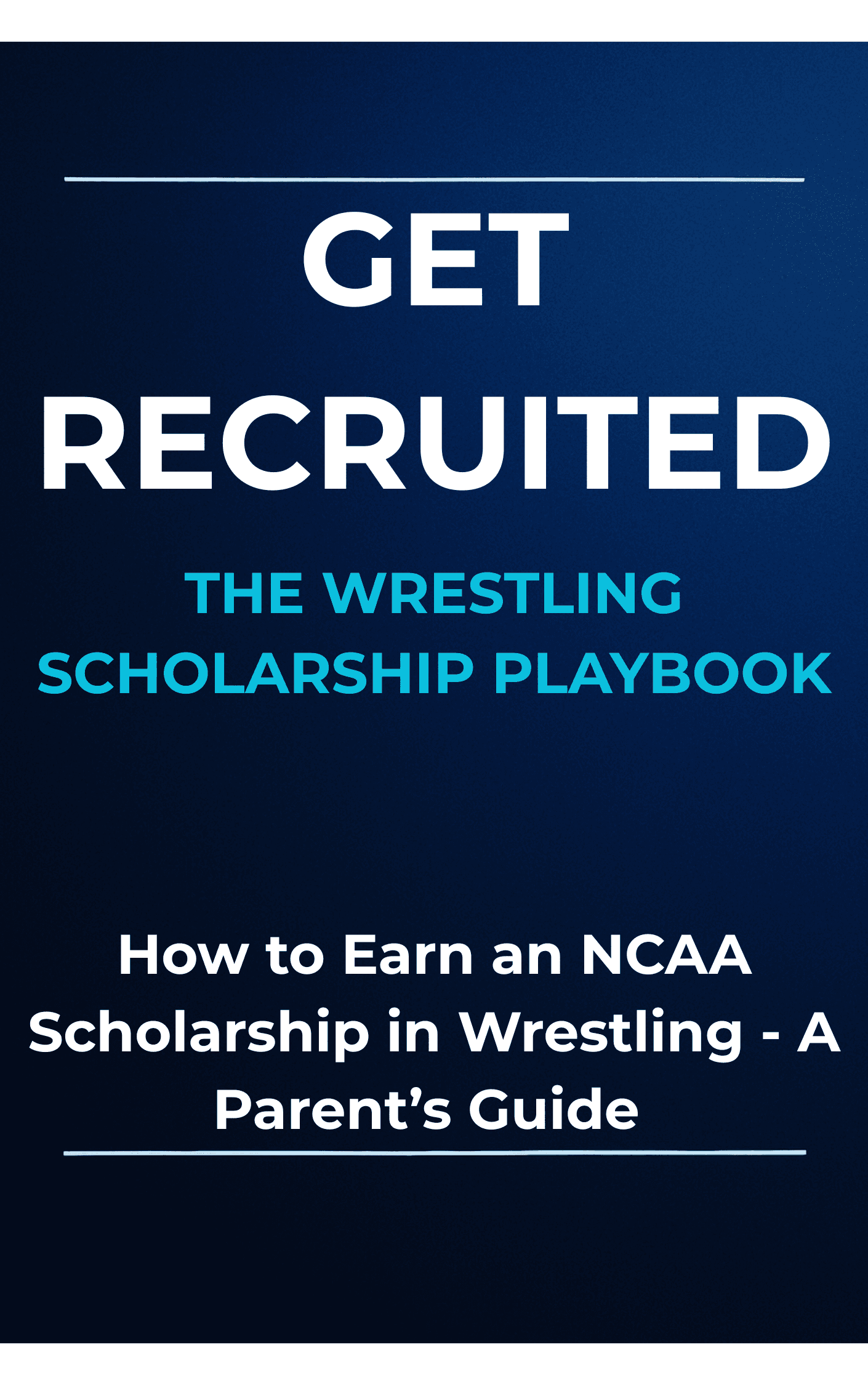
👉 Download the Wrestling Scholarship Playbook to get the complete system (email templates, timelines, offer-comparison sheets, video checklists).
Introduction
If your athlete wants to wrestle in college, 2025–26 is a new era. Division I programs that opt-in to the House v. NCAA framework replace scholarship-count caps with roster limits and can spread athletic aid across the entire roster. For wrestling, that means a 30-athlete roster cap with the potential to award athletic aid to any/all of those 30 (full or partial) at opted-in schools. Budgets still rule reality, so partials remain the norm.
This resource explains exactly how the new setup affects wrestling families—plus what coaches value, the timeline that wins, and how to stack athletic + academic + need-based aid.
Also see our sport-agnostic hub: NCAA Scholarship Resource Hub.
What Is an NCAA Wrestling Scholarship?
Wrestling has historically been an equivalency sport—coaches split a pool of dollars among many athletes (not head-count full rides). Under the opt-in House framework for DI, caps on the number of scholarships give way to roster caps; schools may fund aid to anyone on the roster, but are not required to fund to the max.
Updated NCAA Wrestling Scholarship & Roster Limits (2025–26)
Division / Level | Max Athletic Aid (fully funded) | Roster Limit | Notes |
|---|---|---|---|
NCAA DI (Men) | Up to 30 (full or partial) | 30 | Applies only to schools that opt-in to House framework. Former 9.9 cap no longer applies at those schools. Funding varies by budget. |
NCAA DII (Men) | 9 (equivalency) | N/A | Unchanged; partial awards common. |
NCAA DIII (Men) | 0 | N/A | No athletic aid; use academic/need-based packages. |
NAIA (Men) | ~8–10 (equivalency) | N/A | Most authoritative guides show 8; some list 10. Confirm per school. |
NJCAA (Men) | Up to 20 | N/A | Two-year pathway; rules vary by division/program. |
Why this matters: “Up to 30” at DI is not automatic—schools choose funding levels. Some won’t opt-in immediately; those may remain on the old 9.9 model this season. Always ask each staff which model they’re using this year.
When Can Wrestling Coaches Contact Recruits?
NCAA DI/DII (most sports): recruiting contact typically allowed June 15 after sophomore year (sport-specific calendars still apply).
NCAA DIII: often more flexible, but still follows NCAA calendars by sport.
NAIA & NJCAA: coaches may contact at almost any time (fewer NCAA-style restrictions). This is a key parent distinction.
Settlement changes did not abolish recruiting calendars. Always verify the current NCAA sport calendar and ask each program about its contact policy this cycle.
What Do Coaches Look For in Wrestling Recruits?
Scoring & control
Clean set-ups/finishes (single/double), ride time, turns/near-fall, third-period composure.
Projection & durability
Sustainable weight management, strength profile, limited missed time.
Match IQ & pace
Hand-fighting choices, mat returns, situational awareness, end-of-period strategy.
Academics & character
Core-course GPA, transcript, Eligibility Center readiness, coachability and leadership (big differentiators when budgets force partials).
What to send
2–3-min highlight (labeled: event/opponent/sequence), a results log, and a one-page academic snapshot.
Wrestling Recruiting Timeline (Freshman → Senior)
Freshman (Gr. 9)
Establish GPA targets; start a results log. Capture match clips (practice acceptable early).
Build a preliminary target-school list (fit: academics + role + cost).
Sophomore (Gr. 10)
Tight 2-min intro reel with clean finishes, escapes, rides.
Begin intro emails (coaches can’t reply yet at DI, but you’ll be on the radar).
Camps/clinics for exposure.
Junior (Gr. 11)
From June 15 after sophomore year, coaches can respond at DI/DII (sport-specific, confirm). Update video after big results; schedule visits; narrow list to 8–12.
Senior (Gr. 12)
Final 2–3-min reel; have full matches ready.
Compare total packages (athletic + academic + need-based).
Complete Eligibility Center items and commit per division rules.
Partial vs. Full Scholarships: What to Expect
Even under the new DI model, most awards remain partial: coaches stretch budgets across weight classes and classes-by-year. The DI shift expands who can receive aid, not necessarily the size of an average award. Stack merit/need aid to reach affordability.
Common Recruiting Mistakes to Avoid
Waiting to start (sophomore spring is already late for many).
Bloated video (coaches want crisp 2–3 minutes; label clips).
Ignoring academics (merit-aid is your leverage).
Not asking the model question (“Are you opt-in this year? How many roster spots will receive athletic aid?”).
One-and-done outreach (update every 6–8 weeks with results and fresh clips).
FAQs
Is men’s NCAA wrestling still an equivalency sport?
Yes—historically equivalency. At opt-in DI programs, the cap becomes a roster limit of 30; aid can be extended to any/all rostered athletes (still typically partials).
What happens at DI schools that don’t opt-in in 2025–26?
They may remain under the historic 9.9 equivalency cap this season. Ask each program directly.
DII / DIII?
DII stays 9 equivalencies; DIII offers no athletic aid.
NAIA / NJCAA?
NAIA commonly reports 8 (some list 10); NJCAA up to 20. Confirm per school/division.
When do women compete for an NCAA title?
Women’s Wrestling is the NCAA’s 91st championship; first championship will run winter 2026 (National Collegiate).
Further Reading: Related Resources
How to Contact College Coaches
Step‑by‑step templates and timing for coach outreach emails, calls, and follow‑ups — including new post‑settlement contact guidelines.NCAA Wrestling Scholarships by Weight Class: 125 vs 141 vs 285 - Where the Real Opportunities Are
Breakdown of opportunities by weight class for men and women
NCAA Recruiting Timelines & Key Dates
Understand what to do each year from freshman to senior and stay compliant with NCAA rules.Academic Eligibility & Core‑Course Requirements
Everything families need to ensure GPA, transcripts, and coursework meet NCAA clearinghouse standards.Financial Aid Beyond Athletics: FAFSA, CSS Profile, & Private Scholarships for Recruits
Step‑by‑step walkthrough of the different financial resources available to students and how to stack effectively.Campus Visits Explained: Official vs. Unofficial
Learn how to plan visits strategically and make the most of on‑campus recruiting opportunities.Inside NAIA Wrestling Scholarships: How 10 Equivalencies Turn Into 40 Opportunities
Discover how NAIA wrestling scholarships work. Learn how coaches turn 10 equivalencies into 40 opportunities and why NAIA vs NCAA wrestling recruiting offers faster paths to funded college rosters.
Women’s Wrestling: Where It’s Headed
With NCAA championship status beginning 2026, expect continued roster growth and clearer aid structures (generally equivalency-style partials + academic stacking). Families should track emerging programs and early recruiting wins as budgets expand through 2028.
Final Thoughts
Talent opens the door; strategy gets you signed. The DI shift expands access, but money is still finite and speed matters.
Start now: build your results log, film a 2-min reel this week.
Ask the model question: “Are you opt-in this year? How many of your 30 roster spots will actually receive athletic aid?”
Stack the package: athletic + academic + need-based = real cost.
Update relentlessly: every 6–8 weeks with results and fresh clips.
🚨 Scarcity: Roster spots = 30 at opted-in DI programs; not all are funded.
⏱ Urgency: Waiting a semester costs leverage you can’t recover.
🎯 Leverage: Grades and proactive outreach turn partials into affordable packages.
👉 Don’t guess. Use the Wrestling Scholarship Playbook—done-for-you emails, camp/visit checklists, offer-comparison sheets, and a quarter-by-quarter outreach calendar.
Get the Wrestling Scholarship Playbook
Wrestling
NCAA Wrestling Scholarships 2025–26: What Every Family Needs to Know
📑 Table of Contents
What Is an NCAA Wrestling Scholarship?
Updated NCAA Wrestling Scholarship & Roster Limits (2025–26)
When Can Wrestling Coaches Contact Recruits?
What Do Coaches Look For in Wrestling Recruits?
Wrestling Recruiting Timeline (Freshman to Senior Year)
Partial vs. Full Scholarships: What to Expect
Common Recruiting Mistakes to Avoid
FAQs
Further Reading: Related Resources
👉 Download the Wrestling Scholarship Playbook to get the complete system (email templates, timelines, offer-comparison sheets, video checklists).
Introduction
If your athlete wants to wrestle in college, 2025–26 is a new era. Division I programs that opt-in to the House v. NCAA framework replace scholarship-count caps with roster limits and can spread athletic aid across the entire roster. For wrestling, that means a 30-athlete roster cap with the potential to award athletic aid to any/all of those 30 (full or partial) at opted-in schools. Budgets still rule reality, so partials remain the norm.
This resource explains exactly how the new setup affects wrestling families—plus what coaches value, the timeline that wins, and how to stack athletic + academic + need-based aid.
Also see our sport-agnostic hub: NCAA Scholarship Resource Hub.
What Is an NCAA Wrestling Scholarship?
Wrestling has historically been an equivalency sport—coaches split a pool of dollars among many athletes (not head-count full rides). Under the opt-in House framework for DI, caps on the number of scholarships give way to roster caps; schools may fund aid to anyone on the roster, but are not required to fund to the max.
Updated NCAA Wrestling Scholarship & Roster Limits (2025–26)
Division / Level | Max Athletic Aid (fully funded) | Roster Limit | Notes |
|---|---|---|---|
NCAA DI (Men) | Up to 30 (full or partial) | 30 | Applies only to schools that opt-in to House framework. Former 9.9 cap no longer applies at those schools. Funding varies by budget. |
NCAA DII (Men) | 9 (equivalency) | N/A | Unchanged; partial awards common. |
NCAA DIII (Men) | 0 | N/A | No athletic aid; use academic/need-based packages. |
NAIA (Men) | ~8–10 (equivalency) | N/A | Most authoritative guides show 8; some list 10. Confirm per school. |
NJCAA (Men) | Up to 20 | N/A | Two-year pathway; rules vary by division/program. |
Why this matters: “Up to 30” at DI is not automatic—schools choose funding levels. Some won’t opt-in immediately; those may remain on the old 9.9 model this season. Always ask each staff which model they’re using this year.
When Can Wrestling Coaches Contact Recruits?
NCAA DI/DII (most sports): recruiting contact typically allowed June 15 after sophomore year (sport-specific calendars still apply).
NCAA DIII: often more flexible, but still follows NCAA calendars by sport.
NAIA & NJCAA: coaches may contact at almost any time (fewer NCAA-style restrictions). This is a key parent distinction.
Settlement changes did not abolish recruiting calendars. Always verify the current NCAA sport calendar and ask each program about its contact policy this cycle.
What Do Coaches Look For in Wrestling Recruits?
Scoring & control
Clean set-ups/finishes (single/double), ride time, turns/near-fall, third-period composure.
Projection & durability
Sustainable weight management, strength profile, limited missed time.
Match IQ & pace
Hand-fighting choices, mat returns, situational awareness, end-of-period strategy.
Academics & character
Core-course GPA, transcript, Eligibility Center readiness, coachability and leadership (big differentiators when budgets force partials).
What to send
2–3-min highlight (labeled: event/opponent/sequence), a results log, and a one-page academic snapshot.
Wrestling Recruiting Timeline (Freshman → Senior)
Freshman (Gr. 9)
Establish GPA targets; start a results log. Capture match clips (practice acceptable early).
Build a preliminary target-school list (fit: academics + role + cost).
Sophomore (Gr. 10)
Tight 2-min intro reel with clean finishes, escapes, rides.
Begin intro emails (coaches can’t reply yet at DI, but you’ll be on the radar).
Camps/clinics for exposure.
Junior (Gr. 11)
From June 15 after sophomore year, coaches can respond at DI/DII (sport-specific, confirm). Update video after big results; schedule visits; narrow list to 8–12.
Senior (Gr. 12)
Final 2–3-min reel; have full matches ready.
Compare total packages (athletic + academic + need-based).
Complete Eligibility Center items and commit per division rules.
Partial vs. Full Scholarships: What to Expect
Even under the new DI model, most awards remain partial: coaches stretch budgets across weight classes and classes-by-year. The DI shift expands who can receive aid, not necessarily the size of an average award. Stack merit/need aid to reach affordability.
Common Recruiting Mistakes to Avoid
Waiting to start (sophomore spring is already late for many).
Bloated video (coaches want crisp 2–3 minutes; label clips).
Ignoring academics (merit-aid is your leverage).
Not asking the model question (“Are you opt-in this year? How many roster spots will receive athletic aid?”).
One-and-done outreach (update every 6–8 weeks with results and fresh clips).
FAQs
Is men’s NCAA wrestling still an equivalency sport?
Yes—historically equivalency. At opt-in DI programs, the cap becomes a roster limit of 30; aid can be extended to any/all rostered athletes (still typically partials).
What happens at DI schools that don’t opt-in in 2025–26?
They may remain under the historic 9.9 equivalency cap this season. Ask each program directly.
DII / DIII?
DII stays 9 equivalencies; DIII offers no athletic aid.
NAIA / NJCAA?
NAIA commonly reports 8 (some list 10); NJCAA up to 20. Confirm per school/division.
When do women compete for an NCAA title?
Women’s Wrestling is the NCAA’s 91st championship; first championship will run winter 2026 (National Collegiate).
Further Reading: Related Resources
How to Contact College Coaches
Step‑by‑step templates and timing for coach outreach emails, calls, and follow‑ups — including new post‑settlement contact guidelines.NCAA Wrestling Scholarships by Weight Class: 125 vs 141 vs 285 - Where the Real Opportunities Are
Breakdown of opportunities by weight class for men and women
NCAA Recruiting Timelines & Key Dates
Understand what to do each year from freshman to senior and stay compliant with NCAA rules.Academic Eligibility & Core‑Course Requirements
Everything families need to ensure GPA, transcripts, and coursework meet NCAA clearinghouse standards.Financial Aid Beyond Athletics: FAFSA, CSS Profile, & Private Scholarships for Recruits
Step‑by‑step walkthrough of the different financial resources available to students and how to stack effectively.Campus Visits Explained: Official vs. Unofficial
Learn how to plan visits strategically and make the most of on‑campus recruiting opportunities.Inside NAIA Wrestling Scholarships: How 10 Equivalencies Turn Into 40 Opportunities
Discover how NAIA wrestling scholarships work. Learn how coaches turn 10 equivalencies into 40 opportunities and why NAIA vs NCAA wrestling recruiting offers faster paths to funded college rosters.
Women’s Wrestling: Where It’s Headed
With NCAA championship status beginning 2026, expect continued roster growth and clearer aid structures (generally equivalency-style partials + academic stacking). Families should track emerging programs and early recruiting wins as budgets expand through 2028.
Final Thoughts
Talent opens the door; strategy gets you signed. The DI shift expands access, but money is still finite and speed matters.
Start now: build your results log, film a 2-min reel this week.
Ask the model question: “Are you opt-in this year? How many of your 30 roster spots will actually receive athletic aid?”
Stack the package: athletic + academic + need-based = real cost.
Update relentlessly: every 6–8 weeks with results and fresh clips.
🚨 Scarcity: Roster spots = 30 at opted-in DI programs; not all are funded.
⏱ Urgency: Waiting a semester costs leverage you can’t recover.
🎯 Leverage: Grades and proactive outreach turn partials into affordable packages.
👉 Don’t guess. Use the Wrestling Scholarship Playbook—done-for-you emails, camp/visit checklists, offer-comparison sheets, and a quarter-by-quarter outreach calendar.
Get the Wrestling Scholarship Playbook
Wrestling
NCAA Wrestling Scholarships 2025–26: What Every Family Needs to Know
📑 Table of Contents
What Is an NCAA Wrestling Scholarship?
Updated NCAA Wrestling Scholarship & Roster Limits (2025–26)
When Can Wrestling Coaches Contact Recruits?
What Do Coaches Look For in Wrestling Recruits?
Wrestling Recruiting Timeline (Freshman to Senior Year)
Partial vs. Full Scholarships: What to Expect
Common Recruiting Mistakes to Avoid
FAQs
Further Reading: Related Resources
👉 Download the Wrestling Scholarship Playbook to get the complete system (email templates, timelines, offer-comparison sheets, video checklists).
Introduction
If your athlete wants to wrestle in college, 2025–26 is a new era. Division I programs that opt-in to the House v. NCAA framework replace scholarship-count caps with roster limits and can spread athletic aid across the entire roster. For wrestling, that means a 30-athlete roster cap with the potential to award athletic aid to any/all of those 30 (full or partial) at opted-in schools. Budgets still rule reality, so partials remain the norm.
This resource explains exactly how the new setup affects wrestling families—plus what coaches value, the timeline that wins, and how to stack athletic + academic + need-based aid.
Also see our sport-agnostic hub: NCAA Scholarship Resource Hub.
What Is an NCAA Wrestling Scholarship?
Wrestling has historically been an equivalency sport—coaches split a pool of dollars among many athletes (not head-count full rides). Under the opt-in House framework for DI, caps on the number of scholarships give way to roster caps; schools may fund aid to anyone on the roster, but are not required to fund to the max.
Updated NCAA Wrestling Scholarship & Roster Limits (2025–26)
Division / Level | Max Athletic Aid (fully funded) | Roster Limit | Notes |
|---|---|---|---|
NCAA DI (Men) | Up to 30 (full or partial) | 30 | Applies only to schools that opt-in to House framework. Former 9.9 cap no longer applies at those schools. Funding varies by budget. |
NCAA DII (Men) | 9 (equivalency) | N/A | Unchanged; partial awards common. |
NCAA DIII (Men) | 0 | N/A | No athletic aid; use academic/need-based packages. |
NAIA (Men) | ~8–10 (equivalency) | N/A | Most authoritative guides show 8; some list 10. Confirm per school. |
NJCAA (Men) | Up to 20 | N/A | Two-year pathway; rules vary by division/program. |
Why this matters: “Up to 30” at DI is not automatic—schools choose funding levels. Some won’t opt-in immediately; those may remain on the old 9.9 model this season. Always ask each staff which model they’re using this year.
When Can Wrestling Coaches Contact Recruits?
NCAA DI/DII (most sports): recruiting contact typically allowed June 15 after sophomore year (sport-specific calendars still apply).
NCAA DIII: often more flexible, but still follows NCAA calendars by sport.
NAIA & NJCAA: coaches may contact at almost any time (fewer NCAA-style restrictions). This is a key parent distinction.
Settlement changes did not abolish recruiting calendars. Always verify the current NCAA sport calendar and ask each program about its contact policy this cycle.
What Do Coaches Look For in Wrestling Recruits?
Scoring & control
Clean set-ups/finishes (single/double), ride time, turns/near-fall, third-period composure.
Projection & durability
Sustainable weight management, strength profile, limited missed time.
Match IQ & pace
Hand-fighting choices, mat returns, situational awareness, end-of-period strategy.
Academics & character
Core-course GPA, transcript, Eligibility Center readiness, coachability and leadership (big differentiators when budgets force partials).
What to send
2–3-min highlight (labeled: event/opponent/sequence), a results log, and a one-page academic snapshot.
Wrestling Recruiting Timeline (Freshman → Senior)
Freshman (Gr. 9)
Establish GPA targets; start a results log. Capture match clips (practice acceptable early).
Build a preliminary target-school list (fit: academics + role + cost).
Sophomore (Gr. 10)
Tight 2-min intro reel with clean finishes, escapes, rides.
Begin intro emails (coaches can’t reply yet at DI, but you’ll be on the radar).
Camps/clinics for exposure.
Junior (Gr. 11)
From June 15 after sophomore year, coaches can respond at DI/DII (sport-specific, confirm). Update video after big results; schedule visits; narrow list to 8–12.
Senior (Gr. 12)
Final 2–3-min reel; have full matches ready.
Compare total packages (athletic + academic + need-based).
Complete Eligibility Center items and commit per division rules.
Partial vs. Full Scholarships: What to Expect
Even under the new DI model, most awards remain partial: coaches stretch budgets across weight classes and classes-by-year. The DI shift expands who can receive aid, not necessarily the size of an average award. Stack merit/need aid to reach affordability.
Common Recruiting Mistakes to Avoid
Waiting to start (sophomore spring is already late for many).
Bloated video (coaches want crisp 2–3 minutes; label clips).
Ignoring academics (merit-aid is your leverage).
Not asking the model question (“Are you opt-in this year? How many roster spots will receive athletic aid?”).
One-and-done outreach (update every 6–8 weeks with results and fresh clips).
FAQs
Is men’s NCAA wrestling still an equivalency sport?
Yes—historically equivalency. At opt-in DI programs, the cap becomes a roster limit of 30; aid can be extended to any/all rostered athletes (still typically partials).
What happens at DI schools that don’t opt-in in 2025–26?
They may remain under the historic 9.9 equivalency cap this season. Ask each program directly.
DII / DIII?
DII stays 9 equivalencies; DIII offers no athletic aid.
NAIA / NJCAA?
NAIA commonly reports 8 (some list 10); NJCAA up to 20. Confirm per school/division.
When do women compete for an NCAA title?
Women’s Wrestling is the NCAA’s 91st championship; first championship will run winter 2026 (National Collegiate).
Further Reading: Related Resources
How to Contact College Coaches
Step‑by‑step templates and timing for coach outreach emails, calls, and follow‑ups — including new post‑settlement contact guidelines.NCAA Wrestling Scholarships by Weight Class: 125 vs 141 vs 285 - Where the Real Opportunities Are
Breakdown of opportunities by weight class for men and women
NCAA Recruiting Timelines & Key Dates
Understand what to do each year from freshman to senior and stay compliant with NCAA rules.Academic Eligibility & Core‑Course Requirements
Everything families need to ensure GPA, transcripts, and coursework meet NCAA clearinghouse standards.Financial Aid Beyond Athletics: FAFSA, CSS Profile, & Private Scholarships for Recruits
Step‑by‑step walkthrough of the different financial resources available to students and how to stack effectively.Campus Visits Explained: Official vs. Unofficial
Learn how to plan visits strategically and make the most of on‑campus recruiting opportunities.Inside NAIA Wrestling Scholarships: How 10 Equivalencies Turn Into 40 Opportunities
Discover how NAIA wrestling scholarships work. Learn how coaches turn 10 equivalencies into 40 opportunities and why NAIA vs NCAA wrestling recruiting offers faster paths to funded college rosters.
Women’s Wrestling: Where It’s Headed
With NCAA championship status beginning 2026, expect continued roster growth and clearer aid structures (generally equivalency-style partials + academic stacking). Families should track emerging programs and early recruiting wins as budgets expand through 2028.
Final Thoughts
Talent opens the door; strategy gets you signed. The DI shift expands access, but money is still finite and speed matters.
Start now: build your results log, film a 2-min reel this week.
Ask the model question: “Are you opt-in this year? How many of your 30 roster spots will actually receive athletic aid?”
Stack the package: athletic + academic + need-based = real cost.
Update relentlessly: every 6–8 weeks with results and fresh clips.
🚨 Scarcity: Roster spots = 30 at opted-in DI programs; not all are funded.
⏱ Urgency: Waiting a semester costs leverage you can’t recover.
🎯 Leverage: Grades and proactive outreach turn partials into affordable packages.
👉 Don’t guess. Use the Wrestling Scholarship Playbook—done-for-you emails, camp/visit checklists, offer-comparison sheets, and a quarter-by-quarter outreach calendar.
Get the Wrestling Scholarship Playbook

Stay Ahead of the Game — Join our Parent Insider List
Get expert tips, NCAA recruiting insights, and early access to new guides — straight to your inbox.
Your privacy is important to us. You'll only receive valuable content and updates from us.