A parent’s guide to decoding silence, NCAA contact rules, and when to actually worry
Introduction
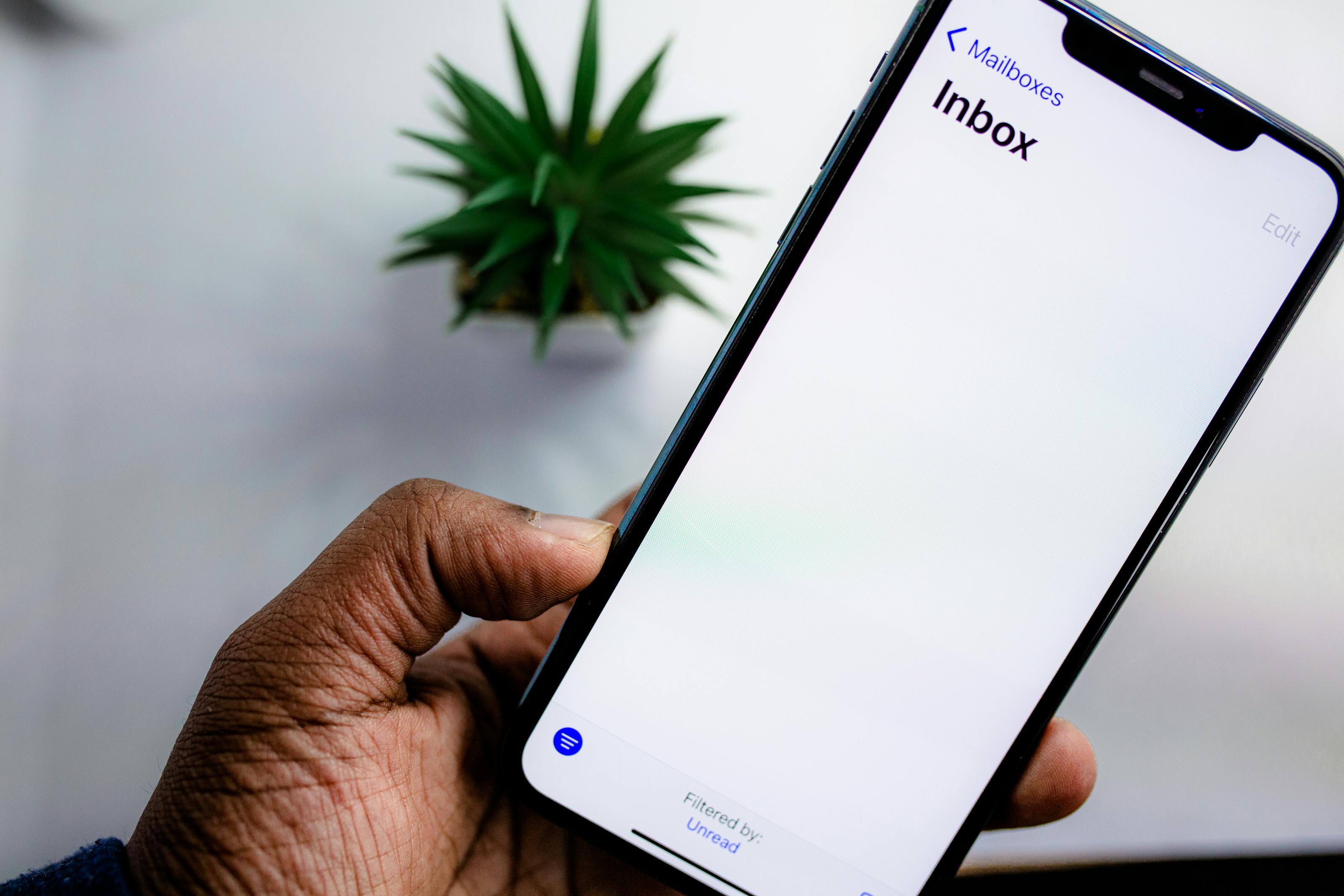
Opening your inbox and seeing… nothing.
No reply. No acknowledgment. No signal.
It’s the single most common source of anxiety we see in the college recruiting process—and one of the most misunderstood.
Most families assume silence means rejection. In reality, coach non-response is almost always driven by one of three constraints: compliance rules, recruiting calendar timing, or roster capacity.
We have seen hundreds of “ghosted” athletes eventually receive offers from the very coaches who didn’t reply to their first two or three emails. Silence is information—but only if you know how to read it.
This guide explains why college coaches don’t respond, how the rules differ by division, and how to tell when silence actually is a bad sign.
What Parents Get Wrong About College Recruiting (Quick Answer)
Most parents misunderstand college recruiting because they assume coaches evaluate athletes based on talent alone. In reality, coaches make decisions based on roster needs, NCAA contact rules, scholarship budgets, admissions standards, and transfer-portal pressure. These constraints—not effort or interest—explain most silence, delays, and missed recruiting opportunities.
The 4 Reasons Coaches Stay Silent (That Have Nothing to Do With Talent)
1. It Might Be Illegal for Them to Reply (Division I & II Rules)
This is the most important—and most misunderstood—distinction in recruiting.
Division I (and many Division II programs):
Coaches are legally prohibited from replying to recruiting emails, texts, or calls until specific dates (commonly June 15 or September 1 of the junior year, depending on the sport). Silence here is often mandatory, not optional.
Division III:
Coaches can reply to emails at almost any age—but that does not mean they will. Silence at the D3 level is usually about priority, not legality.
This distinction alone explains a massive percentage of perceived “ghosting.”
The “Camp Loophole”
Even when D1 coaches cannot reply directly, they may still send:
Camp invitations
Generic questionnaires
Automated messages
These are often signals of interest that stop short of direct communication.
2. Roster Math: The “Active” List vs. the “Hold” List
Coaches recruit by position, class year, and need, not by raw interest.
In practice, many athletes sit on a “hold” list while a coach waits for:
A top target to commit or decline
Admissions decisions to clear
Budget confirmation for athletic aid
We regularly see athletes evaluated positively but kept in reserve due to roster constraints. Silence here means waiting, not rejection.
3. The Transfer Portal Has Slowed High-School Replies
The transfer portal has fundamentally changed recruiting behavior.
Coaches now:
Fill immediate roster gaps with older, proven transfers
Delay high-school recruiting decisions
Hold roster spots open longer than they used to
As a result, replies that once came in September may not arrive until December—or later.
Silence today often reflects uncertainty, not disinterest.
4. The 30-Second Inbox Filter
Most college coaches receive hundreds of recruiting emails per week, especially during peak seasons.
Emails are filtered quickly based on:
Subject-line clarity
Immediate relevance (position, grad year, GPA)
Clean access to video
Generic emails are skipped not because of talent, but because of volume.
The Silence Decoder: What Coach Non-Response Actually Means
(This table reflects common recruiting outcomes observed across NCAA divisions and recruiting cycles.)
If You Are… | And You Emailed… | The Silence Likely Means… |
|---|---|---|
Grade 9–10 | Division I | Compliance rule. They legally cannot reply. |
Grade 9–10 | Division III | Low priority. Focus is on older classes. |
Grade 11 (Fall) | Any division | Busy season. In-season coaching takes priority. |
Grade 12 | Any division | Roster likely full. This is when silence usually means “no.” |
When Silence Is a Bad Sign (The Reality Check)
The Three-Strike Rule
If you have sent:
Three personalized emails
Over six weeks
With new or updated video
And received zero engagement
…it’s time to move on.
At this point, silence is no longer about timing—it’s about evaluation.
They Watched Your Video, But Didn’t Reply
If your tracking shows:
Full video views
Multiple opens
No response
That is a response.
It likely means the coach evaluated the athlete and did not see a roster fit.
What To Do Instead of Panicking (The Protocol)
Step 1: Check the Calendar First
Before following up, ask:
Is this a Dead Period?
Is it game week?
Is it immediately after a tournament weekend?
Rule: Wait at least 5 days after a weekend before following up.
Step 2: Change the Signal, Not the Frequency
Never send “Just checking in.”
Send new information:
Updated highlights
GPA improvements
New schedule or results
Example subject line:
Updated Mid-Season Highlights – 2026 Forward (3.8 GPA)
🔗Link: How to Contact NCAA Coaches
Step 3: Follow the Athlete-Led Rule
Parents should not follow up on silence.
From a coach’s perspective:
Athlete-led communication = independence
Parent-led communication = future liability
If a follow-up is sent, it must come from the athlete.
Frequently Asked Questions
How long should I wait before following up with a college coach?
Wait 10–14 days. Send one follow-up with new information. Do not email more than once every two weeks unless something meaningful has changed.
Do coaches read emails they don’t reply to?
Yes. Most coaches scan every subject line and open emails that appear personalized and relevant—even if they cannot reply yet.
Does silence mean my child isn’t being recruited?
Not necessarily. In early high-school years, silence usually reflects compliance rules. Later, it often means the athlete is being watched but not yet prioritized.
Silence Isn’t the Enemy—Misinterpretation Is
The recruiting process isn’t broken—but it is poorly explained.
Coaches operate under constraints most families never see: roster math, compliance rules, budgets, and transfers. When parents understand those constraints, silence becomes a signal, not a source of panic.
If you’re struggling to get replies, the issue is rarely talent—it’s strategy. Our sport-specific recruiting guides walk families through outreach, follow-ups, and timing so emails don’t disappear into the void.
A parent’s guide to decoding silence, NCAA contact rules, and when to actually worry
Introduction
Opening your inbox and seeing… nothing.
No reply. No acknowledgment. No signal.
It’s the single most common source of anxiety we see in the college recruiting process—and one of the most misunderstood.
Most families assume silence means rejection. In reality, coach non-response is almost always driven by one of three constraints: compliance rules, recruiting calendar timing, or roster capacity.
We have seen hundreds of “ghosted” athletes eventually receive offers from the very coaches who didn’t reply to their first two or three emails. Silence is information—but only if you know how to read it.
This guide explains why college coaches don’t respond, how the rules differ by division, and how to tell when silence actually is a bad sign.
What Parents Get Wrong About College Recruiting (Quick Answer)
Most parents misunderstand college recruiting because they assume coaches evaluate athletes based on talent alone. In reality, coaches make decisions based on roster needs, NCAA contact rules, scholarship budgets, admissions standards, and transfer-portal pressure. These constraints—not effort or interest—explain most silence, delays, and missed recruiting opportunities.
The 4 Reasons Coaches Stay Silent (That Have Nothing to Do With Talent)
1. It Might Be Illegal for Them to Reply (Division I & II Rules)
This is the most important—and most misunderstood—distinction in recruiting.
Division I (and many Division II programs):
Coaches are legally prohibited from replying to recruiting emails, texts, or calls until specific dates (commonly June 15 or September 1 of the junior year, depending on the sport). Silence here is often mandatory, not optional.
Division III:
Coaches can reply to emails at almost any age—but that does not mean they will. Silence at the D3 level is usually about priority, not legality.
This distinction alone explains a massive percentage of perceived “ghosting.”
The “Camp Loophole”
Even when D1 coaches cannot reply directly, they may still send:
Camp invitations
Generic questionnaires
Automated messages
These are often signals of interest that stop short of direct communication.
2. Roster Math: The “Active” List vs. the “Hold” List
Coaches recruit by position, class year, and need, not by raw interest.
In practice, many athletes sit on a “hold” list while a coach waits for:
A top target to commit or decline
Admissions decisions to clear
Budget confirmation for athletic aid
We regularly see athletes evaluated positively but kept in reserve due to roster constraints. Silence here means waiting, not rejection.
3. The Transfer Portal Has Slowed High-School Replies
The transfer portal has fundamentally changed recruiting behavior.
Coaches now:
Fill immediate roster gaps with older, proven transfers
Delay high-school recruiting decisions
Hold roster spots open longer than they used to
As a result, replies that once came in September may not arrive until December—or later.
Silence today often reflects uncertainty, not disinterest.
4. The 30-Second Inbox Filter
Most college coaches receive hundreds of recruiting emails per week, especially during peak seasons.
Emails are filtered quickly based on:
Subject-line clarity
Immediate relevance (position, grad year, GPA)
Clean access to video
Generic emails are skipped not because of talent, but because of volume.
The Silence Decoder: What Coach Non-Response Actually Means
(This table reflects common recruiting outcomes observed across NCAA divisions and recruiting cycles.)
If You Are… | And You Emailed… | The Silence Likely Means… |
|---|---|---|
Grade 9–10 | Division I | Compliance rule. They legally cannot reply. |
Grade 9–10 | Division III | Low priority. Focus is on older classes. |
Grade 11 (Fall) | Any division | Busy season. In-season coaching takes priority. |
Grade 12 | Any division | Roster likely full. This is when silence usually means “no.” |
When Silence Is a Bad Sign (The Reality Check)
The Three-Strike Rule
If you have sent:
Three personalized emails
Over six weeks
With new or updated video
And received zero engagement
…it’s time to move on.
At this point, silence is no longer about timing—it’s about evaluation.
They Watched Your Video, But Didn’t Reply
If your tracking shows:
Full video views
Multiple opens
No response
That is a response.
It likely means the coach evaluated the athlete and did not see a roster fit.
What To Do Instead of Panicking (The Protocol)
Step 1: Check the Calendar First
Before following up, ask:
Is this a Dead Period?
Is it game week?
Is it immediately after a tournament weekend?
Rule: Wait at least 5 days after a weekend before following up.
Step 2: Change the Signal, Not the Frequency
Never send “Just checking in.”
Send new information:
Updated highlights
GPA improvements
New schedule or results
Example subject line:
Updated Mid-Season Highlights – 2026 Forward (3.8 GPA)
🔗Link: How to Contact NCAA Coaches
Step 3: Follow the Athlete-Led Rule
Parents should not follow up on silence.
From a coach’s perspective:
Athlete-led communication = independence
Parent-led communication = future liability
If a follow-up is sent, it must come from the athlete.
Frequently Asked Questions
How long should I wait before following up with a college coach?
Wait 10–14 days. Send one follow-up with new information. Do not email more than once every two weeks unless something meaningful has changed.
Do coaches read emails they don’t reply to?
Yes. Most coaches scan every subject line and open emails that appear personalized and relevant—even if they cannot reply yet.
Does silence mean my child isn’t being recruited?
Not necessarily. In early high-school years, silence usually reflects compliance rules. Later, it often means the athlete is being watched but not yet prioritized.
Silence Isn’t the Enemy—Misinterpretation Is
The recruiting process isn’t broken—but it is poorly explained.
Coaches operate under constraints most families never see: roster math, compliance rules, budgets, and transfers. When parents understand those constraints, silence becomes a signal, not a source of panic.
If you’re struggling to get replies, the issue is rarely talent—it’s strategy. Our sport-specific recruiting guides walk families through outreach, follow-ups, and timing so emails don’t disappear into the void.
A parent’s guide to decoding silence, NCAA contact rules, and when to actually worry
Introduction
Opening your inbox and seeing… nothing.
No reply. No acknowledgment. No signal.
It’s the single most common source of anxiety we see in the college recruiting process—and one of the most misunderstood.
Most families assume silence means rejection. In reality, coach non-response is almost always driven by one of three constraints: compliance rules, recruiting calendar timing, or roster capacity.
We have seen hundreds of “ghosted” athletes eventually receive offers from the very coaches who didn’t reply to their first two or three emails. Silence is information—but only if you know how to read it.
This guide explains why college coaches don’t respond, how the rules differ by division, and how to tell when silence actually is a bad sign.
What Parents Get Wrong About College Recruiting (Quick Answer)
Most parents misunderstand college recruiting because they assume coaches evaluate athletes based on talent alone. In reality, coaches make decisions based on roster needs, NCAA contact rules, scholarship budgets, admissions standards, and transfer-portal pressure. These constraints—not effort or interest—explain most silence, delays, and missed recruiting opportunities.
The 4 Reasons Coaches Stay Silent (That Have Nothing to Do With Talent)
1. It Might Be Illegal for Them to Reply (Division I & II Rules)
This is the most important—and most misunderstood—distinction in recruiting.
Division I (and many Division II programs):
Coaches are legally prohibited from replying to recruiting emails, texts, or calls until specific dates (commonly June 15 or September 1 of the junior year, depending on the sport). Silence here is often mandatory, not optional.
Division III:
Coaches can reply to emails at almost any age—but that does not mean they will. Silence at the D3 level is usually about priority, not legality.
This distinction alone explains a massive percentage of perceived “ghosting.”
The “Camp Loophole”
Even when D1 coaches cannot reply directly, they may still send:
Camp invitations
Generic questionnaires
Automated messages
These are often signals of interest that stop short of direct communication.
2. Roster Math: The “Active” List vs. the “Hold” List
Coaches recruit by position, class year, and need, not by raw interest.
In practice, many athletes sit on a “hold” list while a coach waits for:
A top target to commit or decline
Admissions decisions to clear
Budget confirmation for athletic aid
We regularly see athletes evaluated positively but kept in reserve due to roster constraints. Silence here means waiting, not rejection.
3. The Transfer Portal Has Slowed High-School Replies
The transfer portal has fundamentally changed recruiting behavior.
Coaches now:
Fill immediate roster gaps with older, proven transfers
Delay high-school recruiting decisions
Hold roster spots open longer than they used to
As a result, replies that once came in September may not arrive until December—or later.
Silence today often reflects uncertainty, not disinterest.
4. The 30-Second Inbox Filter
Most college coaches receive hundreds of recruiting emails per week, especially during peak seasons.
Emails are filtered quickly based on:
Subject-line clarity
Immediate relevance (position, grad year, GPA)
Clean access to video
Generic emails are skipped not because of talent, but because of volume.
The Silence Decoder: What Coach Non-Response Actually Means
(This table reflects common recruiting outcomes observed across NCAA divisions and recruiting cycles.)
If You Are… | And You Emailed… | The Silence Likely Means… |
|---|---|---|
Grade 9–10 | Division I | Compliance rule. They legally cannot reply. |
Grade 9–10 | Division III | Low priority. Focus is on older classes. |
Grade 11 (Fall) | Any division | Busy season. In-season coaching takes priority. |
Grade 12 | Any division | Roster likely full. This is when silence usually means “no.” |
When Silence Is a Bad Sign (The Reality Check)
The Three-Strike Rule
If you have sent:
Three personalized emails
Over six weeks
With new or updated video
And received zero engagement
…it’s time to move on.
At this point, silence is no longer about timing—it’s about evaluation.
They Watched Your Video, But Didn’t Reply
If your tracking shows:
Full video views
Multiple opens
No response
That is a response.
It likely means the coach evaluated the athlete and did not see a roster fit.
What To Do Instead of Panicking (The Protocol)
Step 1: Check the Calendar First
Before following up, ask:
Is this a Dead Period?
Is it game week?
Is it immediately after a tournament weekend?
Rule: Wait at least 5 days after a weekend before following up.
Step 2: Change the Signal, Not the Frequency
Never send “Just checking in.”
Send new information:
Updated highlights
GPA improvements
New schedule or results
Example subject line:
Updated Mid-Season Highlights – 2026 Forward (3.8 GPA)
🔗Link: How to Contact NCAA Coaches
Step 3: Follow the Athlete-Led Rule
Parents should not follow up on silence.
From a coach’s perspective:
Athlete-led communication = independence
Parent-led communication = future liability
If a follow-up is sent, it must come from the athlete.
Frequently Asked Questions
How long should I wait before following up with a college coach?
Wait 10–14 days. Send one follow-up with new information. Do not email more than once every two weeks unless something meaningful has changed.
Do coaches read emails they don’t reply to?
Yes. Most coaches scan every subject line and open emails that appear personalized and relevant—even if they cannot reply yet.
Does silence mean my child isn’t being recruited?
Not necessarily. In early high-school years, silence usually reflects compliance rules. Later, it often means the athlete is being watched but not yet prioritized.
Silence Isn’t the Enemy—Misinterpretation Is
The recruiting process isn’t broken—but it is poorly explained.
Coaches operate under constraints most families never see: roster math, compliance rules, budgets, and transfers. When parents understand those constraints, silence becomes a signal, not a source of panic.
If you’re struggling to get replies, the issue is rarely talent—it’s strategy. Our sport-specific recruiting guides walk families through outreach, follow-ups, and timing so emails don’t disappear into the void.