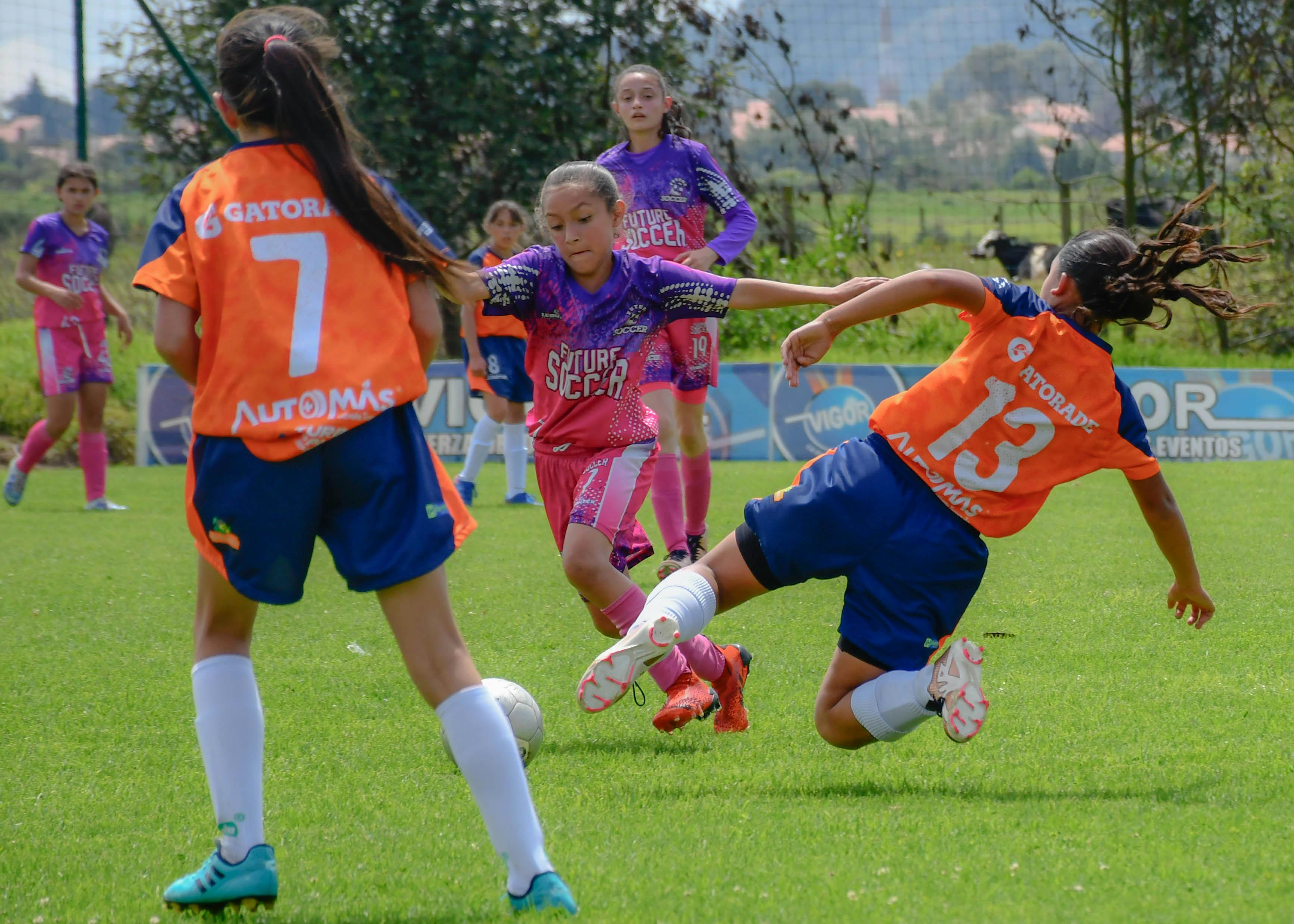
Starting this fall, ECNL league games will be broken down inside Hudl Wyscout, the scouting database college and professional soccer programs actually use to find players. If your child plays ECNL, this changes how visible they are to coaches, whether or not they've ever met one in person.
Starting this fall, ECNL league games will be broken down inside Hudl Wyscout, the scouting database college and professional soccer programs actually use to find players. If your child plays ECNL, this changes how visible they are to coaches, whether or not they've ever met one in person.
What's changing
ECNL announced in May 2026 that it's the first American youth soccer league to put its league games into Hudl Wyscout, the world's largest soccer scouting database. Wyscout is where collegiate programs and professional clubs already search for talent, and until now, American club players simply weren't in it the way international players are.
Here's how it works. ECNL games are already captured through Hudl Focus cameras and hosted on the league's Video Exchange. That footage is now being broken down into Wyscout, giving players stat profiles and searchable game data inside the same system a coach already uses to scout everyone else, rather than a separate club-only platform coaches have to be pointed toward. Coverage spans both ECNL Boys and Girls, across all four age groups: U15, U16, U17, and U18/19.
What this actually means for your family
A highlight video or a club stat sheet still depends on someone deciding to look at it. A searchable profile inside the database a coach already has open while building their recruiting board is a different kind of visibility, it doesn't require your athlete to be found first.
A few practical notes:
This doesn't replace outreach. Being searchable in Wyscout means a coach can find your player's data. It doesn't mean they will look, or that they'll reach out first. Proactive email and video still matter as much as they did before this rollout.
It's a rollout, not a switch. This starts this fall across the four listed age groups. If your player is younger than U15, this doesn't apply yet, and if you're outside ECNL, this specific integration doesn't touch your team.
It raises the bar on being "on record." Coaches now have a permanent, searchable data trail for ECNL players. That cuts both ways, strong, consistent performances become easier to surface, but so does an inconsistent one.
None of this changes the fundamentals of getting recruited. It changes how much of the legwork a coach has to do to find a player who's already doing the right things.
What's changing
ECNL announced in May 2026 that it's the first American youth soccer league to put its league games into Hudl Wyscout, the world's largest soccer scouting database. Wyscout is where collegiate programs and professional clubs already search for talent, and until now, American club players simply weren't in it the way international players are.
Here's how it works. ECNL games are already captured through Hudl Focus cameras and hosted on the league's Video Exchange. That footage is now being broken down into Wyscout, giving players stat profiles and searchable game data inside the same system a coach already uses to scout everyone else, rather than a separate club-only platform coaches have to be pointed toward. Coverage spans both ECNL Boys and Girls, across all four age groups: U15, U16, U17, and U18/19.
What this actually means for your family
A highlight video or a club stat sheet still depends on someone deciding to look at it. A searchable profile inside the database a coach already has open while building their recruiting board is a different kind of visibility, it doesn't require your athlete to be found first.
A few practical notes:
This doesn't replace outreach. Being searchable in Wyscout means a coach can find your player's data. It doesn't mean they will look, or that they'll reach out first. Proactive email and video still matter as much as they did before this rollout.
It's a rollout, not a switch. This starts this fall across the four listed age groups. If your player is younger than U15, this doesn't apply yet, and if you're outside ECNL, this specific integration doesn't touch your team.
It raises the bar on being "on record." Coaches now have a permanent, searchable data trail for ECNL players. That cuts both ways, strong, consistent performances become easier to surface, but so does an inconsistent one.
None of this changes the fundamentals of getting recruited. It changes how much of the legwork a coach has to do to find a player who's already doing the right things.
It's not the most talented kids who get scholarships.
It's the ones with the right plan.
Our playbooks break down timelines, outreach,
and scholarship realities - by sport.
It's not the most talented kids who get scholarships.
It's the ones with the right plan.
Our playbooks break down timelines, outreach,
and scholarship realities - by sport.