Volleyball
NCAA Volleyball Scholarships 2026–27: The Complete Guide for Parents & Athletes
Last updated: January 2026
NCAA volleyball scholarships for 2026–27 look very different than they did just a few years ago. With roster-based limits now in place, the end of the National Letter of Intent, and evolving financial-aid structures, families who rely on outdated “12 full rides” assumptions are often confused—or misled—about how recruiting really works.
This guide explains how NCAA volleyball scholarships actually work in 2026–27, including roster limits, recruiting timelines, coach contact rules, academic eligibility, highlight videos, financial aid stacking, and what families should ask coaches before accepting an offer.
This pillar is built from patterns we consistently see across NCAA divisions and supports our complete system:
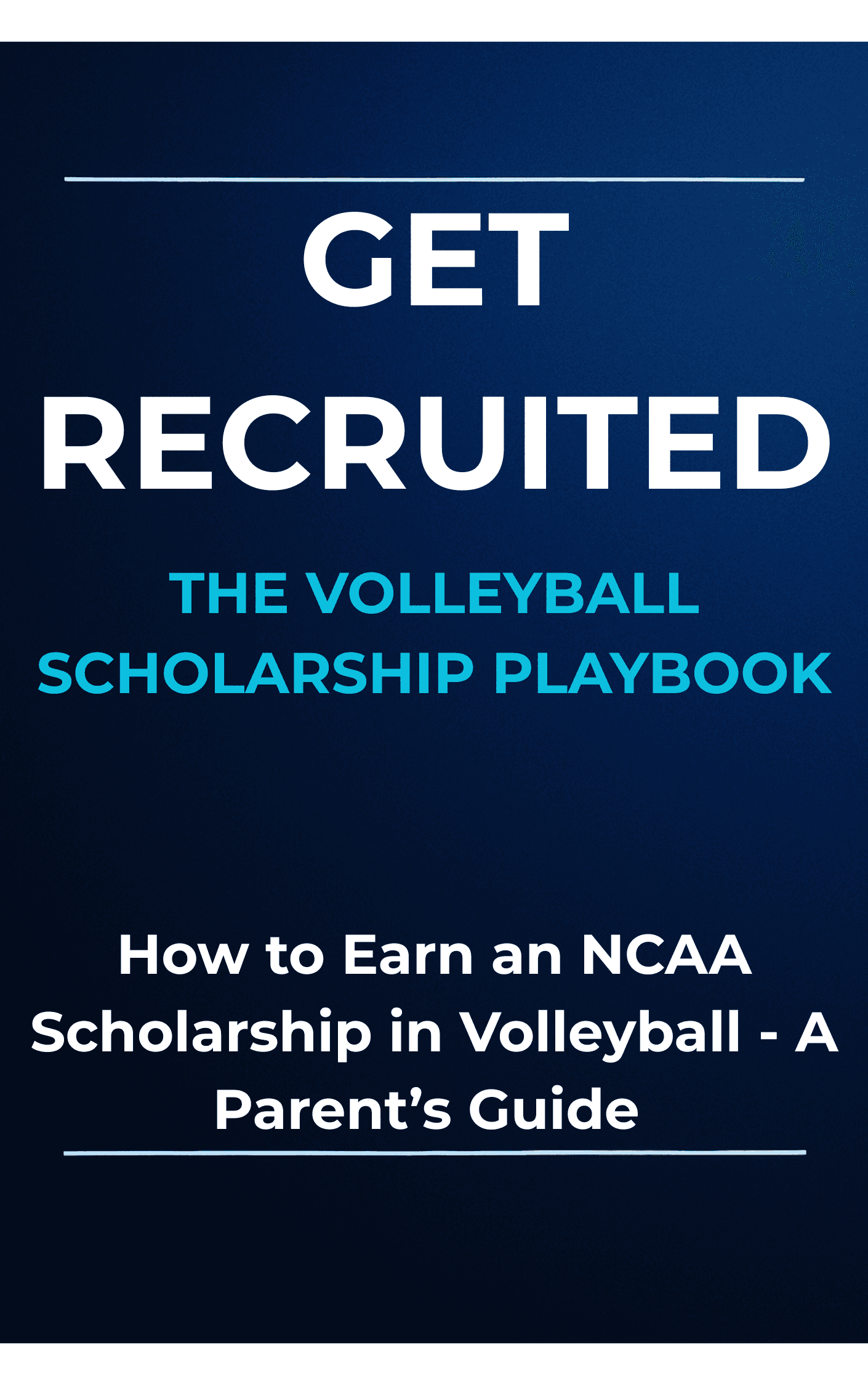
👉 Get Recruited: The Volleyball Scholarship Playbook
Quick Answer: How Do NCAA Volleyball Scholarships Work in 2026–27?
NCAA volleyball scholarships depend on division, roster limits, and school funding, not just talent. Division I volleyball now operates under 18-athlete roster limits, with athletic aid distributed as full or partial scholarships depending on program budget. Most recruits receive a financial-aid package made up of athletic aid, academic merit, and need-based assistance—not a single “full ride.”
What Changed—and Why It Matters for 2026–27
Beginning July 1, 2025, NCAA Division I volleyball moved away from rigid headcount limits and into a roster-limit era.
Before 2025
Women’s volleyball operated under a 12-scholarship headcount model
Men’s volleyball operated under a 4.5 equivalency model
Scholarships were less flexible, but expectations were clearer
Current Reality (2026–27)
Women’s and men’s Division I volleyball both operate under an 18-athlete roster limit
Scholarships may be full or partial, depending on funding
Programs decide how many rostered athletes receive athletic aid
Walk-on spots are tighter because rosters are capped
Important Opt-In Note (Do Not Skip This)
Not every Division I school participates identically. Schools had deadlines to opt into the new settlement framework, and some programs may still operate differently based on participation and budget.
Always ask coaches directly:
“Are you operating under the 18-athlete roster-limit model, and how many athletes on your roster receive athletic aid?”
NCAA Volleyball Scholarship Overview (2026–27)
Division | Women | Men | Aid Model | What Families Should Know |
|---|---|---|---|---|
NCAA Division I | Roster limit: 18 | Roster limit: 18 | Roster-limit era (full or partial aid) | Roster limit ≠ fully funded. Ask how many athletes receive aid. |
NCAA Division II | 8 | 4.5 | Equivalency | Athletic + academic + need-based aid commonly stack. |
NCAA Division III | 0 | 0 | No athletic scholarships | Academic & need-based aid only—but packages can be strong. |
NAIA | 8 | 8 | Equivalency | Athletic and academic aid can stack significantly. |
NJCAA | Varies | Varies | Varies | Common development + transfer pathway. |
Key takeaway:
Roster limits control how many athletes can be carried—not how much money is available.
Recruiting Timeline (Grade 9–12)
Grade 9 (Freshman)
Focus on skill development and academics
Begin capturing game footage
Start researching volleyball programs and conferences
Grade 10 (Sophomore)
Register with the NCAA Eligibility Center
Create a short highlight video (1–2 minutes)
Begin soft outreach to coaches (introductions only)
Grade 11 (Junior)
June 15 is the key communication window most DI/DII volleyball families plan around
Expect emails, calls, and texts after that date
Update video with club and national-event footage
Attend major showcases (AAU, JVA, USA Volleyball Nationals)
Beach-specific timeline in our beach volleyball scholarship post.
Grade 12 (Senior)
Take official visits
Compare offers and total financial-aid packages
Sign a Financial Aid Agreement (the binding document that replaced the National Letter of Intent in 2024)
Finalize FAFSA and CSS Profile if required
Coach Contact Rules: Timing Still Matters
Even after June 15, NCAA dead periods and quiet periods still apply.
Dead periods: Coaches cannot contact recruits at all
Quiet periods: Limited contact only
If you email during a dead period and hear nothing, that is often compliance—not disinterest.
What Coaches Look For (By Position)
Position | What Coaches Prioritize |
|---|---|
Outside Hitter | Passing, six-rotation ability, scoring efficiency |
Opposite | Terminal attack, blocking presence |
Middle Blocker | Height, lateral speed, timing |
Setter | Decision-making, leadership, tempo control |
Libero / DS | Serve receive, reads, consistency |
How to Create a Standout Recruiting Video (2026–27)
Coaches often decide in 30 seconds or less whether to keep watching.
Include
Header: name, grad year, height, position, GPA, contact info
Best 3–5 plays first (game footage only)
Full rallies showing defense and transitions
Labels with event name and date
Avoid
Music-heavy edits
Only kills or warm-ups
Long intros or slow motion
👉 Related: How to Film & Edit a College Recruiting Video Coaches Actually Watch
How to Contact College Coaches (Email Strategy)
When to Email
Grade 10: introductions only
Grade 11+: targeted outreach after major contact windows
Subject Line Example
2027 | 6’1” OH | 9’9” Touch | 3.8 GPA | AAU Nationals Schedule
Email Must Include
Academic + athletic snapshot
Why that specific program fits
Video link (one click)
Upcoming schedule
👉 Related: How to Contact College Coaches (Email Templates + Timing)
Academic Eligibility & Admissions Reality
Two hurdles exist:
NCAA eligibility (minimum to compete)
School admissions (often higher)
A 2.3 GPA may be NCAA-eligible—but not admissible at many schools.
Understanding Volleyball Scholarships & Financial Aid
Most offers are packages, not single numbers.
Aid Type | Controlled By | Stackable |
|---|---|---|
Athletic | Coach | ✅ |
Merit | Admissions | ✅ |
Need-Based | Financial Aid Office | ✅ |
External | Outside sources | ✅ |
Revenue-Sharing Context (Division I)
As of July 1, 2025, Division I schools can distribute revenue to athletes under new settlement rules.
This does not guarantee volleyball-specific payments, but it does mean total compensation conversations are more transparent at participating schools.
Showcases, Camps & ID Events
Best practice
Email coaches 1–2 weeks before events
Share schedule and video
Follow up once with updated clips
Finding the Right College Fit
True fit = academic + athletic role + culture + cost + life after volleyball
Ask coaches:
“How many players at my position are returning?”
“How many rostered athletes receive athletic aid?”
“Are scholarships renewable annually?”
“What happens if I’m injured?”
Plan B Options (Smart, Not Failure)
JUCO: development + reset + transfer
NAIA: earlier offers, real aid
D3: strong academics + aid stacking
Walk-on: viable, but roster caps make it competitive
Beach volleyball walk-on paths in our beach volleyball scholarship post.
Social Media & NIL
Coaches check social profiles before investing time.
Green flags: highlights, leadership, consistency
Red flags: drama, negativity, inactivity
👉 Related: Get Noticed: The Parent’s Guide to Online Exposure
International Athletes
International recruits make up 15–20% of NCAA volleyball rosters.
Requirements include:
Transcript evaluations (WES, SpanTran)
English proficiency
NCAA Eligibility Center certification
Clear, well-labelled highlight videos
Frequently Asked Questions
When should volleyball recruits email coaches?
Grade 10 for introductions; communication accelerates in Grade 11.
Is Division III really “no money”?
No athletic scholarships—but merit + need-based aid can be substantial.
Are full rides common in volleyball?
Rare. Most athletes receive partial athletic aid plus stacked aid.
Next Steps: Get the Complete System
Most athletes don’t miss out because they aren’t good enough—they miss out because they’re late, unorganized, or invisible.
That’s why we built the Volleyball Scholarship Playbook—a complete system with templates, trackers, timelines, and comparison tools.
👉 Download the Volleyball Scholarship Playbook
Volleyball
NCAA Volleyball Scholarships 2026–27: The Complete Guide for Parents & Athletes
Last updated: January 2026
NCAA volleyball scholarships for 2026–27 look very different than they did just a few years ago. With roster-based limits now in place, the end of the National Letter of Intent, and evolving financial-aid structures, families who rely on outdated “12 full rides” assumptions are often confused—or misled—about how recruiting really works.
This guide explains how NCAA volleyball scholarships actually work in 2026–27, including roster limits, recruiting timelines, coach contact rules, academic eligibility, highlight videos, financial aid stacking, and what families should ask coaches before accepting an offer.
This pillar is built from patterns we consistently see across NCAA divisions and supports our complete system:
👉 Get Recruited: The Volleyball Scholarship Playbook
Quick Answer: How Do NCAA Volleyball Scholarships Work in 2026–27?
NCAA volleyball scholarships depend on division, roster limits, and school funding, not just talent. Division I volleyball now operates under 18-athlete roster limits, with athletic aid distributed as full or partial scholarships depending on program budget. Most recruits receive a financial-aid package made up of athletic aid, academic merit, and need-based assistance—not a single “full ride.”
What Changed—and Why It Matters for 2026–27
Beginning July 1, 2025, NCAA Division I volleyball moved away from rigid headcount limits and into a roster-limit era.
Before 2025
Women’s volleyball operated under a 12-scholarship headcount model
Men’s volleyball operated under a 4.5 equivalency model
Scholarships were less flexible, but expectations were clearer
Current Reality (2026–27)
Women’s and men’s Division I volleyball both operate under an 18-athlete roster limit
Scholarships may be full or partial, depending on funding
Programs decide how many rostered athletes receive athletic aid
Walk-on spots are tighter because rosters are capped
Important Opt-In Note (Do Not Skip This)
Not every Division I school participates identically. Schools had deadlines to opt into the new settlement framework, and some programs may still operate differently based on participation and budget.
Always ask coaches directly:
“Are you operating under the 18-athlete roster-limit model, and how many athletes on your roster receive athletic aid?”
NCAA Volleyball Scholarship Overview (2026–27)
Division | Women | Men | Aid Model | What Families Should Know |
|---|---|---|---|---|
NCAA Division I | Roster limit: 18 | Roster limit: 18 | Roster-limit era (full or partial aid) | Roster limit ≠ fully funded. Ask how many athletes receive aid. |
NCAA Division II | 8 | 4.5 | Equivalency | Athletic + academic + need-based aid commonly stack. |
NCAA Division III | 0 | 0 | No athletic scholarships | Academic & need-based aid only—but packages can be strong. |
NAIA | 8 | 8 | Equivalency | Athletic and academic aid can stack significantly. |
NJCAA | Varies | Varies | Varies | Common development + transfer pathway. |
Key takeaway:
Roster limits control how many athletes can be carried—not how much money is available.
Recruiting Timeline (Grade 9–12)
Grade 9 (Freshman)
Focus on skill development and academics
Begin capturing game footage
Start researching volleyball programs and conferences
Grade 10 (Sophomore)
Register with the NCAA Eligibility Center
Create a short highlight video (1–2 minutes)
Begin soft outreach to coaches (introductions only)
Grade 11 (Junior)
June 15 is the key communication window most DI/DII volleyball families plan around
Expect emails, calls, and texts after that date
Update video with club and national-event footage
Attend major showcases (AAU, JVA, USA Volleyball Nationals)
Beach-specific timeline in our beach volleyball scholarship post.
Grade 12 (Senior)
Take official visits
Compare offers and total financial-aid packages
Sign a Financial Aid Agreement (the binding document that replaced the National Letter of Intent in 2024)
Finalize FAFSA and CSS Profile if required
Coach Contact Rules: Timing Still Matters
Even after June 15, NCAA dead periods and quiet periods still apply.
Dead periods: Coaches cannot contact recruits at all
Quiet periods: Limited contact only
If you email during a dead period and hear nothing, that is often compliance—not disinterest.
What Coaches Look For (By Position)
Position | What Coaches Prioritize |
|---|---|
Outside Hitter | Passing, six-rotation ability, scoring efficiency |
Opposite | Terminal attack, blocking presence |
Middle Blocker | Height, lateral speed, timing |
Setter | Decision-making, leadership, tempo control |
Libero / DS | Serve receive, reads, consistency |
How to Create a Standout Recruiting Video (2026–27)
Coaches often decide in 30 seconds or less whether to keep watching.
Include
Header: name, grad year, height, position, GPA, contact info
Best 3–5 plays first (game footage only)
Full rallies showing defense and transitions
Labels with event name and date
Avoid
Music-heavy edits
Only kills or warm-ups
Long intros or slow motion
👉 Related: How to Film & Edit a College Recruiting Video Coaches Actually Watch
How to Contact College Coaches (Email Strategy)
When to Email
Grade 10: introductions only
Grade 11+: targeted outreach after major contact windows
Subject Line Example
2027 | 6’1” OH | 9’9” Touch | 3.8 GPA | AAU Nationals Schedule
Email Must Include
Academic + athletic snapshot
Why that specific program fits
Video link (one click)
Upcoming schedule
👉 Related: How to Contact College Coaches (Email Templates + Timing)
Academic Eligibility & Admissions Reality
Two hurdles exist:
NCAA eligibility (minimum to compete)
School admissions (often higher)
A 2.3 GPA may be NCAA-eligible—but not admissible at many schools.
Understanding Volleyball Scholarships & Financial Aid
Most offers are packages, not single numbers.
Aid Type | Controlled By | Stackable |
|---|---|---|
Athletic | Coach | ✅ |
Merit | Admissions | ✅ |
Need-Based | Financial Aid Office | ✅ |
External | Outside sources | ✅ |
Revenue-Sharing Context (Division I)
As of July 1, 2025, Division I schools can distribute revenue to athletes under new settlement rules.
This does not guarantee volleyball-specific payments, but it does mean total compensation conversations are more transparent at participating schools.
Showcases, Camps & ID Events
Best practice
Email coaches 1–2 weeks before events
Share schedule and video
Follow up once with updated clips
Finding the Right College Fit
True fit = academic + athletic role + culture + cost + life after volleyball
Ask coaches:
“How many players at my position are returning?”
“How many rostered athletes receive athletic aid?”
“Are scholarships renewable annually?”
“What happens if I’m injured?”
Plan B Options (Smart, Not Failure)
JUCO: development + reset + transfer
NAIA: earlier offers, real aid
D3: strong academics + aid stacking
Walk-on: viable, but roster caps make it competitive
Beach volleyball walk-on paths in our beach volleyball scholarship post.
Social Media & NIL
Coaches check social profiles before investing time.
Green flags: highlights, leadership, consistency
Red flags: drama, negativity, inactivity
👉 Related: Get Noticed: The Parent’s Guide to Online Exposure
International Athletes
International recruits make up 15–20% of NCAA volleyball rosters.
Requirements include:
Transcript evaluations (WES, SpanTran)
English proficiency
NCAA Eligibility Center certification
Clear, well-labelled highlight videos
Frequently Asked Questions
When should volleyball recruits email coaches?
Grade 10 for introductions; communication accelerates in Grade 11.
Is Division III really “no money”?
No athletic scholarships—but merit + need-based aid can be substantial.
Are full rides common in volleyball?
Rare. Most athletes receive partial athletic aid plus stacked aid.
Next Steps: Get the Complete System
Most athletes don’t miss out because they aren’t good enough—they miss out because they’re late, unorganized, or invisible.
That’s why we built the Volleyball Scholarship Playbook—a complete system with templates, trackers, timelines, and comparison tools.
👉 Download the Volleyball Scholarship Playbook
Volleyball
NCAA Volleyball Scholarships 2026–27: The Complete Guide for Parents & Athletes
Last updated: January 2026
NCAA volleyball scholarships for 2026–27 look very different than they did just a few years ago. With roster-based limits now in place, the end of the National Letter of Intent, and evolving financial-aid structures, families who rely on outdated “12 full rides” assumptions are often confused—or misled—about how recruiting really works.
This guide explains how NCAA volleyball scholarships actually work in 2026–27, including roster limits, recruiting timelines, coach contact rules, academic eligibility, highlight videos, financial aid stacking, and what families should ask coaches before accepting an offer.
This pillar is built from patterns we consistently see across NCAA divisions and supports our complete system:
👉 Get Recruited: The Volleyball Scholarship Playbook
Quick Answer: How Do NCAA Volleyball Scholarships Work in 2026–27?
NCAA volleyball scholarships depend on division, roster limits, and school funding, not just talent. Division I volleyball now operates under 18-athlete roster limits, with athletic aid distributed as full or partial scholarships depending on program budget. Most recruits receive a financial-aid package made up of athletic aid, academic merit, and need-based assistance—not a single “full ride.”
What Changed—and Why It Matters for 2026–27
Beginning July 1, 2025, NCAA Division I volleyball moved away from rigid headcount limits and into a roster-limit era.
Before 2025
Women’s volleyball operated under a 12-scholarship headcount model
Men’s volleyball operated under a 4.5 equivalency model
Scholarships were less flexible, but expectations were clearer
Current Reality (2026–27)
Women’s and men’s Division I volleyball both operate under an 18-athlete roster limit
Scholarships may be full or partial, depending on funding
Programs decide how many rostered athletes receive athletic aid
Walk-on spots are tighter because rosters are capped
Important Opt-In Note (Do Not Skip This)
Not every Division I school participates identically. Schools had deadlines to opt into the new settlement framework, and some programs may still operate differently based on participation and budget.
Always ask coaches directly:
“Are you operating under the 18-athlete roster-limit model, and how many athletes on your roster receive athletic aid?”
NCAA Volleyball Scholarship Overview (2026–27)
Division | Women | Men | Aid Model | What Families Should Know |
|---|---|---|---|---|
NCAA Division I | Roster limit: 18 | Roster limit: 18 | Roster-limit era (full or partial aid) | Roster limit ≠ fully funded. Ask how many athletes receive aid. |
NCAA Division II | 8 | 4.5 | Equivalency | Athletic + academic + need-based aid commonly stack. |
NCAA Division III | 0 | 0 | No athletic scholarships | Academic & need-based aid only—but packages can be strong. |
NAIA | 8 | 8 | Equivalency | Athletic and academic aid can stack significantly. |
NJCAA | Varies | Varies | Varies | Common development + transfer pathway. |
Key takeaway:
Roster limits control how many athletes can be carried—not how much money is available.
Recruiting Timeline (Grade 9–12)
Grade 9 (Freshman)
Focus on skill development and academics
Begin capturing game footage
Start researching volleyball programs and conferences
Grade 10 (Sophomore)
Register with the NCAA Eligibility Center
Create a short highlight video (1–2 minutes)
Begin soft outreach to coaches (introductions only)
Grade 11 (Junior)
June 15 is the key communication window most DI/DII volleyball families plan around
Expect emails, calls, and texts after that date
Update video with club and national-event footage
Attend major showcases (AAU, JVA, USA Volleyball Nationals)
Beach-specific timeline in our beach volleyball scholarship post.
Grade 12 (Senior)
Take official visits
Compare offers and total financial-aid packages
Sign a Financial Aid Agreement (the binding document that replaced the National Letter of Intent in 2024)
Finalize FAFSA and CSS Profile if required
Coach Contact Rules: Timing Still Matters
Even after June 15, NCAA dead periods and quiet periods still apply.
Dead periods: Coaches cannot contact recruits at all
Quiet periods: Limited contact only
If you email during a dead period and hear nothing, that is often compliance—not disinterest.
What Coaches Look For (By Position)
Position | What Coaches Prioritize |
|---|---|
Outside Hitter | Passing, six-rotation ability, scoring efficiency |
Opposite | Terminal attack, blocking presence |
Middle Blocker | Height, lateral speed, timing |
Setter | Decision-making, leadership, tempo control |
Libero / DS | Serve receive, reads, consistency |
How to Create a Standout Recruiting Video (2026–27)
Coaches often decide in 30 seconds or less whether to keep watching.
Include
Header: name, grad year, height, position, GPA, contact info
Best 3–5 plays first (game footage only)
Full rallies showing defense and transitions
Labels with event name and date
Avoid
Music-heavy edits
Only kills or warm-ups
Long intros or slow motion
👉 Related: How to Film & Edit a College Recruiting Video Coaches Actually Watch
How to Contact College Coaches (Email Strategy)
When to Email
Grade 10: introductions only
Grade 11+: targeted outreach after major contact windows
Subject Line Example
2027 | 6’1” OH | 9’9” Touch | 3.8 GPA | AAU Nationals Schedule
Email Must Include
Academic + athletic snapshot
Why that specific program fits
Video link (one click)
Upcoming schedule
👉 Related: How to Contact College Coaches (Email Templates + Timing)
Academic Eligibility & Admissions Reality
Two hurdles exist:
NCAA eligibility (minimum to compete)
School admissions (often higher)
A 2.3 GPA may be NCAA-eligible—but not admissible at many schools.
Understanding Volleyball Scholarships & Financial Aid
Most offers are packages, not single numbers.
Aid Type | Controlled By | Stackable |
|---|---|---|
Athletic | Coach | ✅ |
Merit | Admissions | ✅ |
Need-Based | Financial Aid Office | ✅ |
External | Outside sources | ✅ |
Revenue-Sharing Context (Division I)
As of July 1, 2025, Division I schools can distribute revenue to athletes under new settlement rules.
This does not guarantee volleyball-specific payments, but it does mean total compensation conversations are more transparent at participating schools.
Showcases, Camps & ID Events
Best practice
Email coaches 1–2 weeks before events
Share schedule and video
Follow up once with updated clips
Finding the Right College Fit
True fit = academic + athletic role + culture + cost + life after volleyball
Ask coaches:
“How many players at my position are returning?”
“How many rostered athletes receive athletic aid?”
“Are scholarships renewable annually?”
“What happens if I’m injured?”
Plan B Options (Smart, Not Failure)
JUCO: development + reset + transfer
NAIA: earlier offers, real aid
D3: strong academics + aid stacking
Walk-on: viable, but roster caps make it competitive
Beach volleyball walk-on paths in our beach volleyball scholarship post.
Social Media & NIL
Coaches check social profiles before investing time.
Green flags: highlights, leadership, consistency
Red flags: drama, negativity, inactivity
👉 Related: Get Noticed: The Parent’s Guide to Online Exposure
International Athletes
International recruits make up 15–20% of NCAA volleyball rosters.
Requirements include:
Transcript evaluations (WES, SpanTran)
English proficiency
NCAA Eligibility Center certification
Clear, well-labelled highlight videos
Frequently Asked Questions
When should volleyball recruits email coaches?
Grade 10 for introductions; communication accelerates in Grade 11.
Is Division III really “no money”?
No athletic scholarships—but merit + need-based aid can be substantial.
Are full rides common in volleyball?
Rare. Most athletes receive partial athletic aid plus stacked aid.
Next Steps: Get the Complete System
Most athletes don’t miss out because they aren’t good enough—they miss out because they’re late, unorganized, or invisible.
That’s why we built the Volleyball Scholarship Playbook—a complete system with templates, trackers, timelines, and comparison tools.
👉 Download the Volleyball Scholarship Playbook





Stay Ahead of the Game — Join our Parent Insider List
Get expert tips, NCAA recruiting insights, and early access to new guides — straight to your inbox.
Your privacy is important to us. You'll only receive valuable content and updates from us.