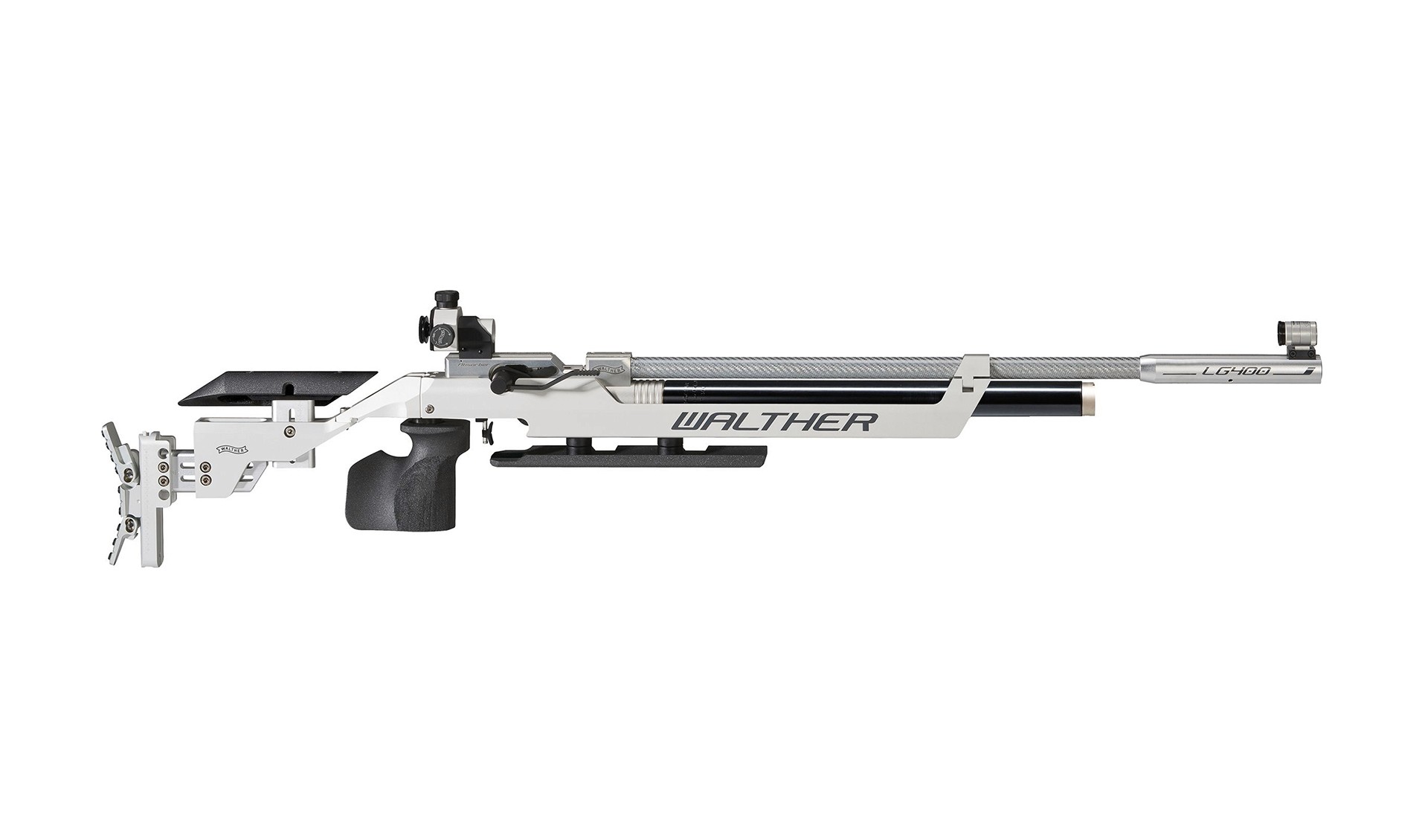
Most high school rifle parents live in a state of comfortable exhaustion. You spend your weekends driving to regional club matches, shelling out thousands of dollars on custom electronic triggers, specialized canvas jackets, and premium ammunition. Your athlete is shooting consecutive match cards above a 580 out of a perfect 600 points. They are a state-level competitor, maybe even racking up clean targets in junior Olympic qualifiers.
You assume that because their precision metrics are undeniable, a college coach will eventually pick up the phone.
But here is the devastating mistake most rifle families make: They mistake elite athletic talent for recruiting visibility.
In a mainstream sport like soccer or track, a missed communication window might mean dropping from a Division I program to a Division II slot. In college rifle, missing your window doesn't mean settling for a lower division. It means your collegiate career ends on high school graduation day.
Let's look at the cold math of the sport.
Most high school rifle parents live in a state of comfortable exhaustion. You spend your weekends driving to regional club matches, shelling out thousands of dollars on custom electronic triggers, specialized canvas jackets, and premium ammunition. Your athlete is shooting consecutive match cards above a 580 out of a perfect 600 points. They are a state-level competitor, maybe even racking up clean targets in junior Olympic qualifiers.
You assume that because their precision metrics are undeniable, a college coach will eventually pick up the phone.
But here is the devastating mistake most rifle families make: They mistake elite athletic talent for recruiting visibility.
In a mainstream sport like soccer or track, a missed communication window might mean dropping from a Division I program to a Division II slot. In college rifle, missing your window doesn't mean settling for a lower division. It means your collegiate career ends on high school graduation day.
Let's look at the cold math of the sport.
The Numbers Game: The Scarcity of the Roster Slot
Collegiate rifle is arguably the most hyper-niche, intensely competitive playground in NCAA sports. There are fewer than 25 universities nationwide that sponsor a varsity program. Furthermore, rifle is one of the only NCAA sports where men and women compete directly on the same coed roster, sharing the exact same scholarship pool.
Because it is an NCAA-governed sport, coaches are bound by rigid team limits and microscopic financial allocations.
The Division I Reality: A fully funded NCAA program is capped at a maximum of 3.6 total athletic scholarships per team.
The Division II Reality: Programs operate under similar strict equivalency limits, meaning partial scholarships are heavily divided across the entire multi-year roster.
The Division III Reality: Division III athletic programs offer zero athletic scholarship dollars, relying entirely on institutional academic merit packages.
Do the arithmetic. If a head coach has an absolute maximum of 3.6 full scholarships distributed across a dozen active shooters on a mixed roster, the typical annual open budget for incoming freshman recruits is frequently less than one full scholarship block available annually.
Coaches are not looking for "good shooters". They are looking for academic-athletic unicorns who can immediately plug into their counting top-five team match score while simultaneously qualifying for institutional merit aid to take the pressure off the team's athletic aid pool.
If your athlete is sitting back waiting to be discovered, you are operating on a broken strategy. With budgets this tight, college rifle coaches do not have the time or recruiting resources to scout open club circuits looking for hidden diamonds. They recruit almost exclusively from a pre-vetted pool of high school underclassmen who actively forced their way onto the coach's radar before their junior year.
The Three-Point Scan
When a college coach opens their inbox on a Monday morning, they might have 50 unread emails from high school shooters worldwide. If your athlete's email leads with a low-impact introduction like this:
"Hi Coach, my name is Alex, I really love your university's campus, and here are my targets from last season...". It's deleted within three seconds. Busy rifle coaches do not care about generic pleasantries. They filter cold outreach on three immediate data points:
Your current multi-position average score (verified by official match logs).
Your exact high school core GPA and standardized tracking status.
Your timeline positioning, are you a junior who already has an active NCAA Eligibility profile number?
To command immediate attention, a high-converting opener needs to flip the script completely:
"Coach [Last Name], my name is Alex Smith, a 2028 recruit with a verified 584 smallbore / 592 air rifle average, a 3.92 core GPA, and NCAA ID #26090812. My complete electronic match history and verified video footage are attached below."
If those target metrics aren't clear, concise, and sitting in the very first paragraph of your outreach, your athlete is effectively invisible.
The Numbers Game: The Scarcity of the Roster Slot
Collegiate rifle is arguably the most hyper-niche, intensely competitive playground in NCAA sports. There are fewer than 25 universities nationwide that sponsor a varsity program. Furthermore, rifle is one of the only NCAA sports where men and women compete directly on the same coed roster, sharing the exact same scholarship pool.
Because it is an NCAA-governed sport, coaches are bound by rigid team limits and microscopic financial allocations.
The Division I Reality: A fully funded NCAA program is capped at a maximum of 3.6 total athletic scholarships per team.
The Division II Reality: Programs operate under similar strict equivalency limits, meaning partial scholarships are heavily divided across the entire multi-year roster.
The Division III Reality: Division III athletic programs offer zero athletic scholarship dollars, relying entirely on institutional academic merit packages.
Do the arithmetic. If a head coach has an absolute maximum of 3.6 full scholarships distributed across a dozen active shooters on a mixed roster, the typical annual open budget for incoming freshman recruits is frequently less than one full scholarship block available annually.
Coaches are not looking for "good shooters". They are looking for academic-athletic unicorns who can immediately plug into their counting top-five team match score while simultaneously qualifying for institutional merit aid to take the pressure off the team's athletic aid pool.
If your athlete is sitting back waiting to be discovered, you are operating on a broken strategy. With budgets this tight, college rifle coaches do not have the time or recruiting resources to scout open club circuits looking for hidden diamonds. They recruit almost exclusively from a pre-vetted pool of high school underclassmen who actively forced their way onto the coach's radar before their junior year.
The Three-Point Scan
When a college coach opens their inbox on a Monday morning, they might have 50 unread emails from high school shooters worldwide. If your athlete's email leads with a low-impact introduction like this:
"Hi Coach, my name is Alex, I really love your university's campus, and here are my targets from last season...". It's deleted within three seconds. Busy rifle coaches do not care about generic pleasantries. They filter cold outreach on three immediate data points:
Your current multi-position average score (verified by official match logs).
Your exact high school core GPA and standardized tracking status.
Your timeline positioning, are you a junior who already has an active NCAA Eligibility profile number?
To command immediate attention, a high-converting opener needs to flip the script completely:
"Coach [Last Name], my name is Alex Smith, a 2028 recruit with a verified 584 smallbore / 592 air rifle average, a 3.92 core GPA, and NCAA ID #26090812. My complete electronic match history and verified video footage are attached below."
If those target metrics aren't clear, concise, and sitting in the very first paragraph of your outreach, your athlete is effectively invisible.
What Happens If You Move Forward Without a System?
The recruiting window for a niche sport closes incredibly fast. While mainstream sport timelines drag out into late senior year, elite collegiate rifle rosters are frequently locked down, committed, and financially allocated right as the athlete enters their junior year.
If you approach a coach without a clear plan, you will inevitably hit one of these three walls:
The "No Budget" Soft Rejection: The coach genuinely likes your athlete's precision metrics, but their scholarship pool is completely maxed out for the next two signing cycles because you initiated contact six months too late.
The Transcript Trap: Your athlete has the match scores to compete at a top-tier program, but they missed a specific underclassman core course requirement, automatically disqualifying them from clearing the NCAA Eligibility Center clearinghouse.
The Out-of-Pocket Shock: You are offered a "roster spot" with zero athletic aid, leaving your family facing a $45,000–$65,000 annual out-of-pocket tuition bill because you didn't know how to stack institutional merit awards or negotiate a partial equivalency allocation.
The difference between hitting those three walls and securing a funded, respected collegiate roster spot comes down entirely to timing, presentation, and execution.
What Happens If You Move Forward Without a System?
The recruiting window for a niche sport closes incredibly fast. While mainstream sport timelines drag out into late senior year, elite collegiate rifle rosters are frequently locked down, committed, and financially allocated right as the athlete enters their junior year.
If you approach a coach without a clear plan, you will inevitably hit one of these three walls:
The "No Budget" Soft Rejection: The coach genuinely likes your athlete's precision metrics, but their scholarship pool is completely maxed out for the next two signing cycles because you initiated contact six months too late.
The Transcript Trap: Your athlete has the match scores to compete at a top-tier program, but they missed a specific underclassman core course requirement, automatically disqualifying them from clearing the NCAA Eligibility Center clearinghouse.
The Out-of-Pocket Shock: You are offered a "roster spot" with zero athletic aid, leaving your family facing a $45,000–$65,000 annual out-of-pocket tuition bill because you didn't know how to stack institutional merit awards or negotiate a partial equivalency allocation.
The difference between hitting those three walls and securing a funded, respected collegiate roster spot comes down entirely to timing, presentation, and execution.
It's not the most talented kids who get scholarships.
It's the ones with the right plan.
Our playbooks break down timelines, outreach,
and scholarship realities - by sport.
It's not the most talented kids who get scholarships.
It's the ones with the right plan.
Our playbooks break down timelines, outreach,
and scholarship realities - by sport.